
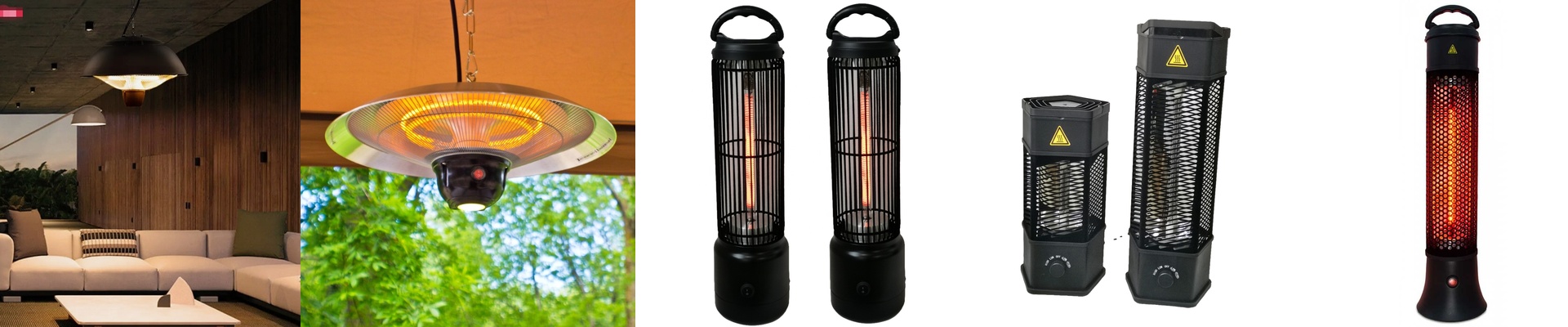
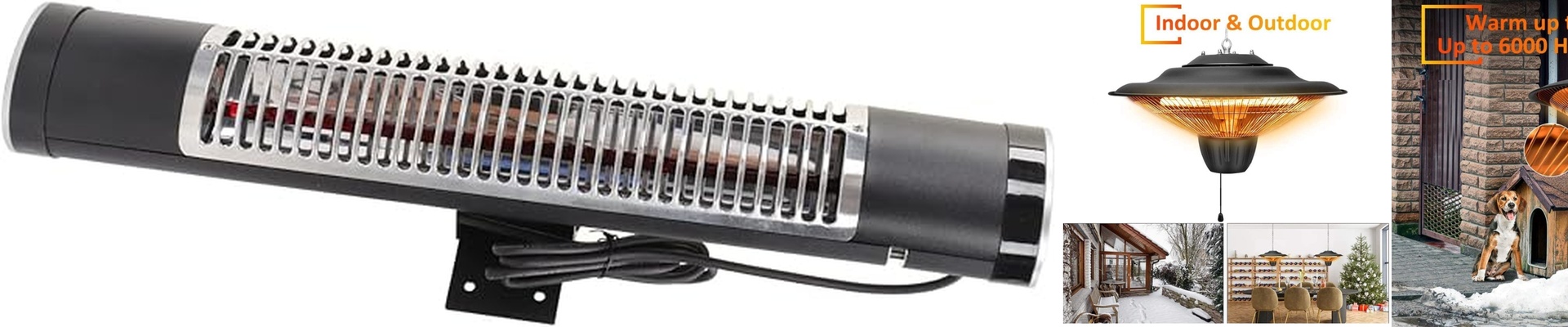
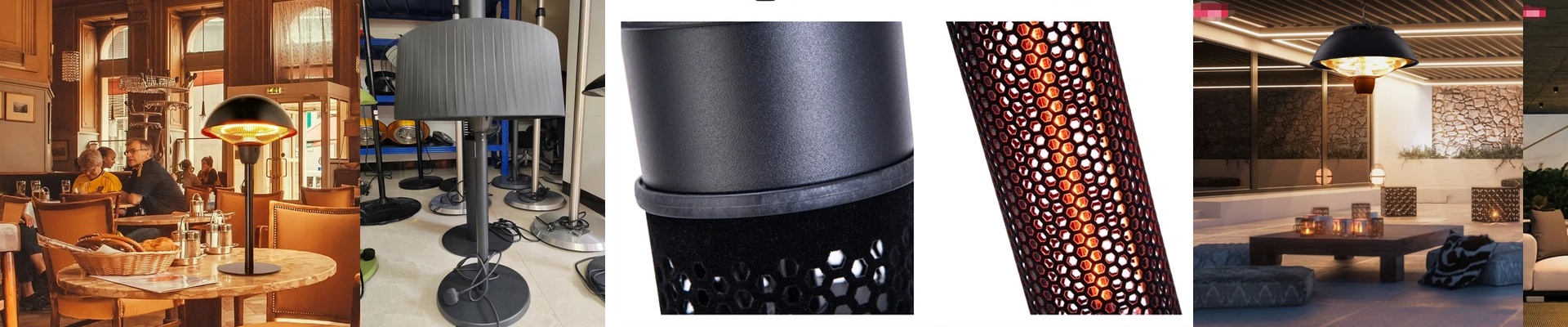

After spending time in 2,000 European homes, one need kept showing up: outdoor warmth that kicks in fast, stays quiet, and actually feels comfortable—not just a blast of hot air. That’s what we built our terrace heater around, using infrared radiant heat. Instead of fighting the breeze by trying to warm the air, it sends warmth straight to people and surfaces. You feel it within seconds, even when the evening turns breezy.
What matters, under the hood
We went with a carbon fiber element inside a sealed quartz tube—simple, proven, and reliable. It responds quickly and holds output steady. You get 1,500 W of infrared warmth, with three power settings so you can match the intensity to the moment—noon coffee or dinner after sunset. Plug it into a standard 230 V outlet and you’re done. The footprint is compact, so it leaves space for chairs and easy conversation. Safety is handled the way it should be: tip-over protection shuts the unit off if it gets knocked, and the IP rating gives you real confidence when the night turns damp.
Why it plays well on European terraces
Terraces here are lived-in, not occasional. This heater fits that rhythm because it gets to the right feel faster than air-based units—no waiting around. The warmth is directional, so you’re not paying to heat empty air, and it runs quietly. No fan noise to fight with music or talk. In practice, that means you can stretch the evening out, with less fuss and more time actually enjoying the outdoors.
What to keep in mind with placement
Infrared warmth works best when the heater sits close to where people gather—roughly 2–3 meters away—and is aimed to cover the main seating area. Aim to avoid direct glare, and keep clearance from anything flammable. The design is weather-resistant, but it still needs a sheltered spot. Heavy rain or constant direct exposure will take a toll over time, so a protected corner is the smartest place to set it up.