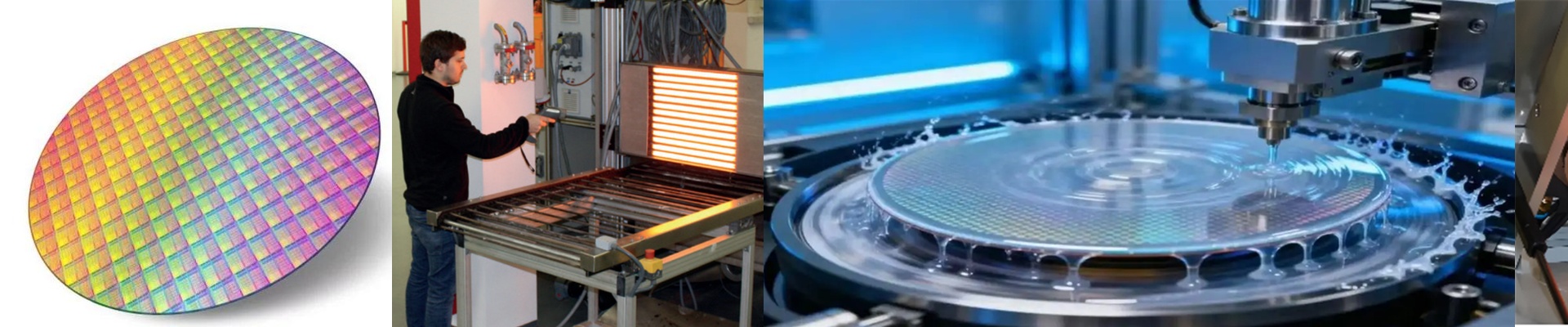
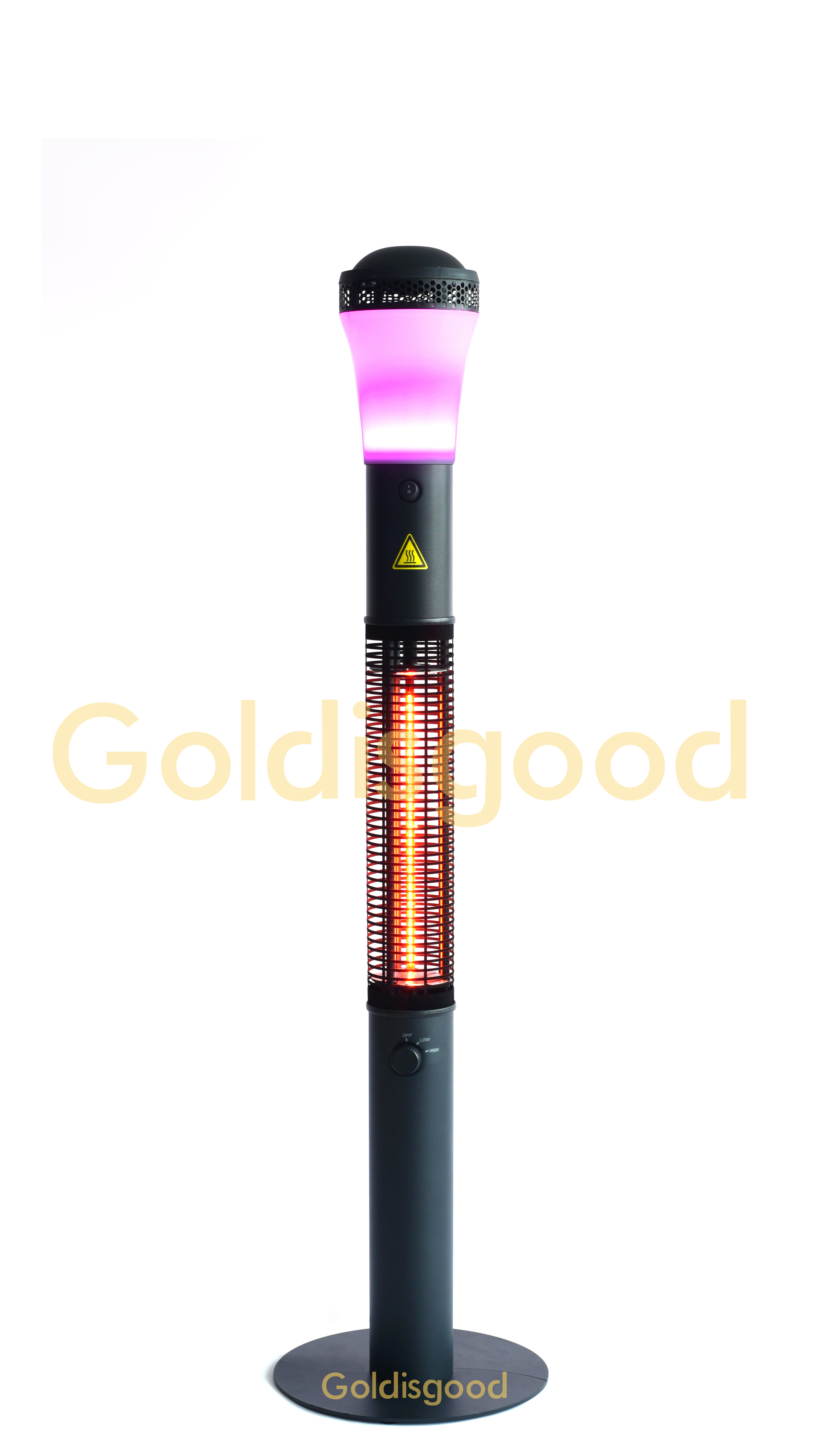
In a museum or art gallery, the wrong kind of heat is a quiet problem. Warm air blowers kick up dust, leave hot and cold spots, and invite moisture shifts that can crack paint, warp wood, or feed mold. The job is to warm the space and the people—without ever putting the collection at risk.
What matters, technically
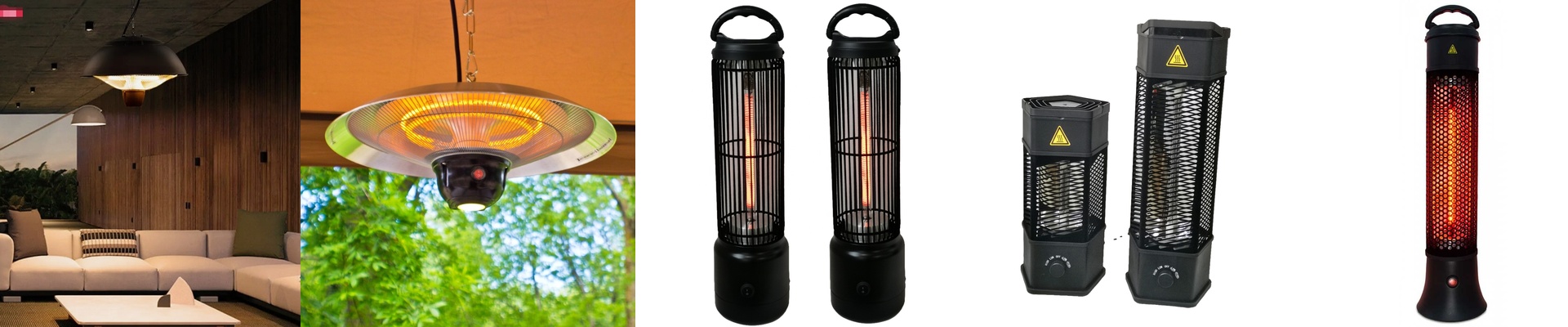
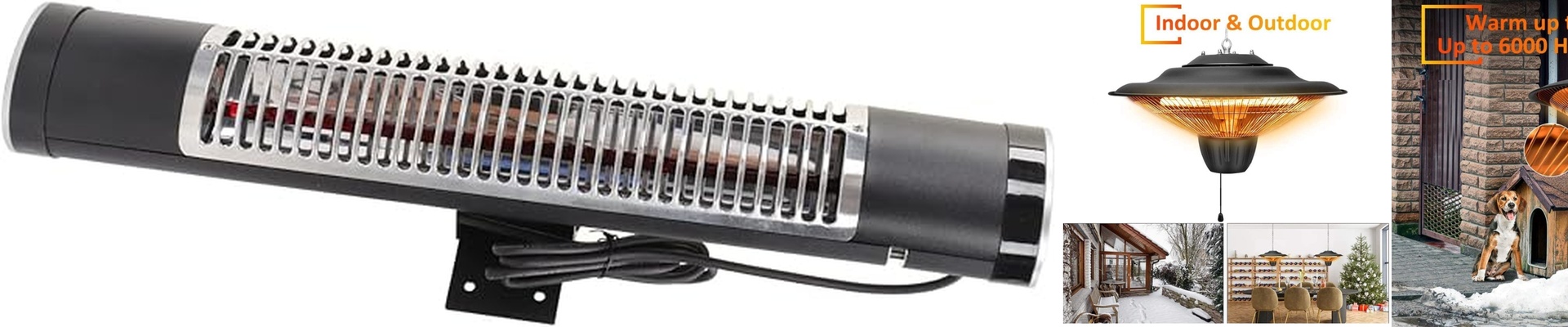
We build our infrared heaters around a halogen heater bulb, paired with a quartz tube and a true infrared element. The heat is radiant, so it travels through the air without heating the air—like sunlight warming your skin. It comes on fast, hitting full output within seconds, which helps you avoid overshooting the setpoint. The beam is focused, so energy goes where you need it. A low-glare finish keeps the visual intrusion down in quiet galleries. The bulb runs on standard voltages and is built for long life, with output that stays stable over thousands of hours.
Why this approach works
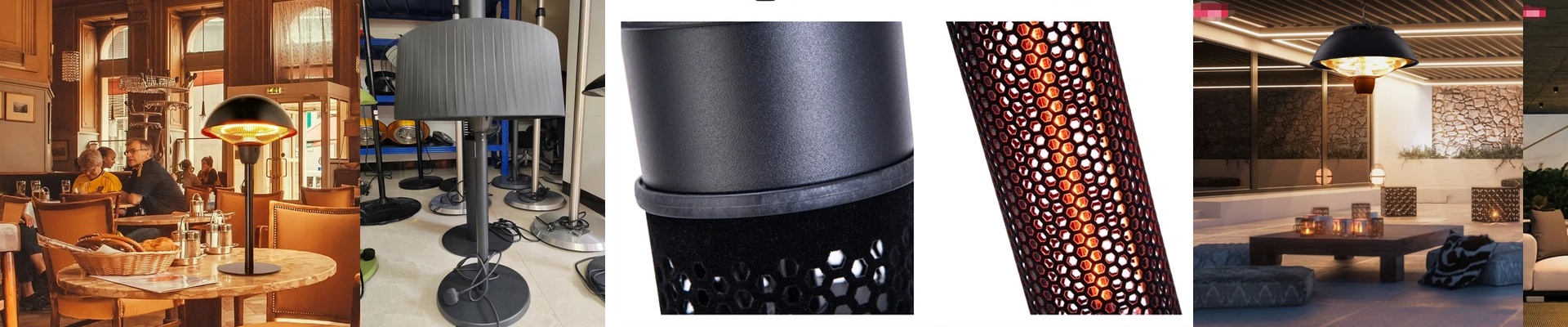
Museums and galleries have to hold stable microclimates around delicate objects. Infrared warmth from a halogen heater bulb heats floors, walls, and people directly, while the air stays still and dry. That means fewer drafts, less dust moving around, and less strain on sensitive materials. You get localized control—warmth where people gather, steady conditions in display zones—without pushing conditioned air across exhibits. Comfort for visitors, and protection you can rely on.
What to watch for
Because radiant heat warms surfaces first, placement is critical. Set the heater at a height that spreads warmth evenly, and keep direct line-of-sight off highly light-sensitive pieces. These are electric units, so plan for proper circuit loading and pair the unit with a thermostat matched to the load. In rooms with strict humidity control, run spacing and airflow by your HVAC team to keep the balance. Used with care, a halogen heater bulb is a clean, quiet way to keep people comfortable while the collection stays exactly as it should.