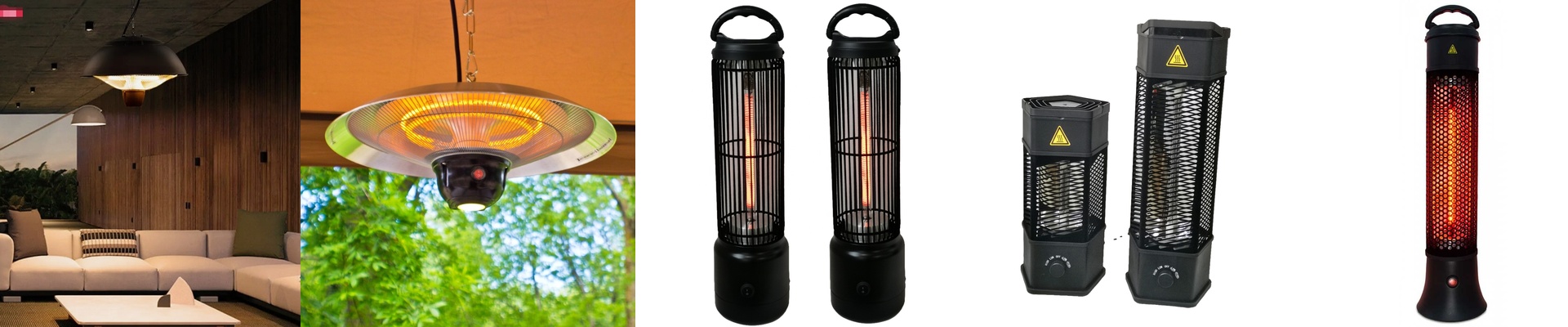
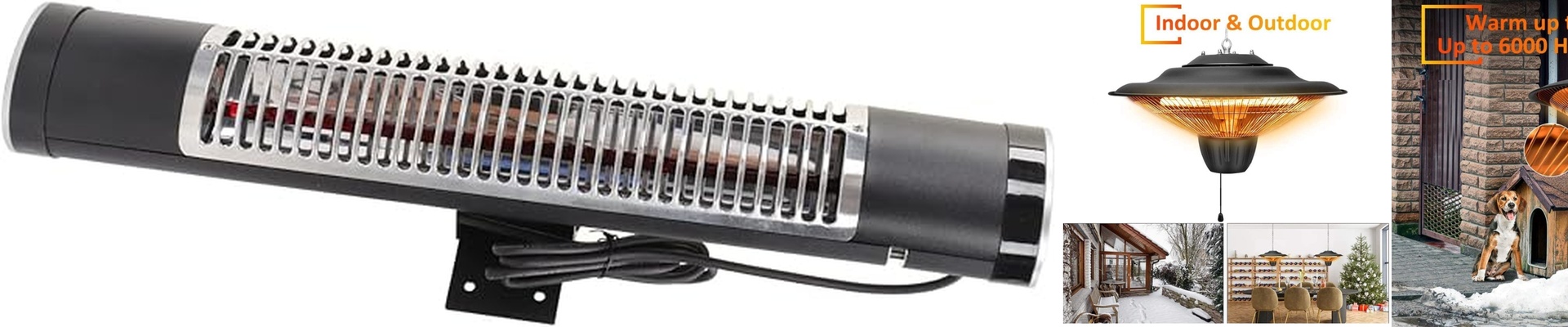

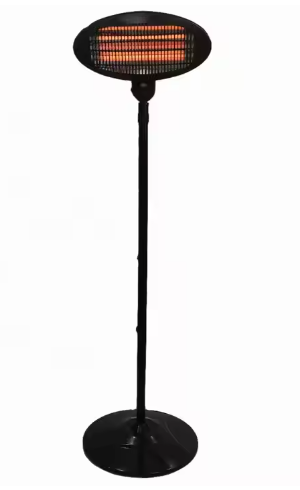
Stepping out of the shower onto cold tile isn’t just uncomfortable—it can tighten muscles and rob you of that calm morning feeling. Lamp-style heaters in bathrooms have always had issues with moisture, and one small bump can leave you literally in the dark. These days, a waterproof infrared heater is the practical answer, built to deliver steady warmth where water and safety can’t be compromised.
What matters under the hood
We build these around short-wave infrared elements that radiate heat directly, warming people and surfaces instead of the air. That means you feel comfort almost instantly—no waiting around for a fan or convection cycle to catch up. The IP rating is the backbone of reliability here: a high waterproof grade keeps components sealed against steam and splashes, so the unit keeps performing season after season. Add tip-over protection, and the heater shuts off automatically if it’s bumped or tilted, then resets once it’s back upright.
Why this approach fits a bathroom
In a bathroom, speed and safety are non-negotiable. Infrared warmth hits your skin quickly, so you’re feeling cozy before you’re even dry. Because the heat is directional and efficient, it helps keep energy use in check compared to trying to warm the whole room air. And with a waterproof build, you stop replacing units because moisture finally got in. If you’re upgrading a renovation, this integrates cleanly with modern fixtures and delivers heat that feels natural and unobtrusive.
What you need to plan for
Installation requires a dedicated circuit and proper grounding so the safety systems do their job. The heater performs best when it’s aimed to cover the key zone where you step out of the shower or tub. Keep in mind, infrared warms people and surfaces directly—it won’t heat the air across the room as fast as a fan heater—so aim and coverage have to match your layout.