


The garage door clunks down, and the air bites. Tools turn cold in your grip, joints stiffen up, and the fine work—the stuff that needs steady hands—starts to drag. In a workspace that leaks drafts from every seam, comfort isn’t about pampering. It’s the line between getting it done clean and having to do it again.
What matters, technically
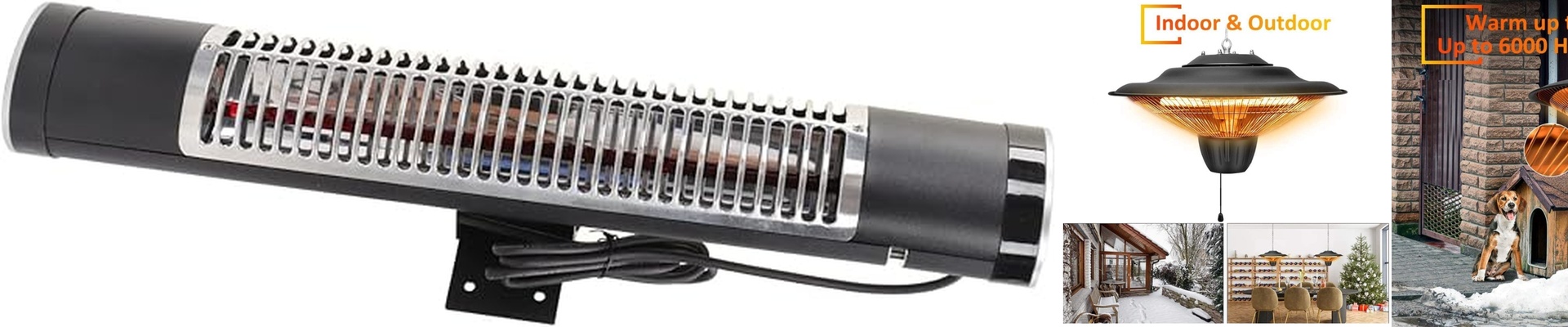
A wall-mounted indoor electric heater that uses infrared warmth works the way the sun does: it heats people and objects directly, not the air around them. Short-wave quartz elements throw heat instantly, with no noisy fan and no blast of hot air to kick up dust. In a typical 120V garage, a 1500W unit gives you focused local heat, and the standard NEMA 5-15 plug keeps the install straightforward. The job here is keeping your work surface and your hands in the right zone, while the air stays still.
Why it fits this space
In a garage workstation, you need heat where you stand, not everywhere. Infrared targets the spot you occupy and the tools you’re holding, so you can keep working without waiting for the whole room to warm up. That means faster start-up, better feel in your fingertips, and fewer shivers between tasks. Because it’s radiant heat, there’s no moving air to carry solvent odors or stir fine debris—so you can focus, and the bench stays cleaner. You see it in shorter service cycles, fewer mistakes, and a steadier flow when the weather turns.
What you need to get right
Mount the heater 6 to 8 feet above the work area, angled to cover both the bench and the operator position, and keep clearances from combustibles exactly as the manual calls out. Add a thermostat for consistent comfort, and if you’re doing regular washdowns, choose a model rated for damp locations (IP rating). One practical point: infrared heats surfaces and people directly, so the surrounding air can still feel cool. That’s normal. This is local heating, not whole-room heating.