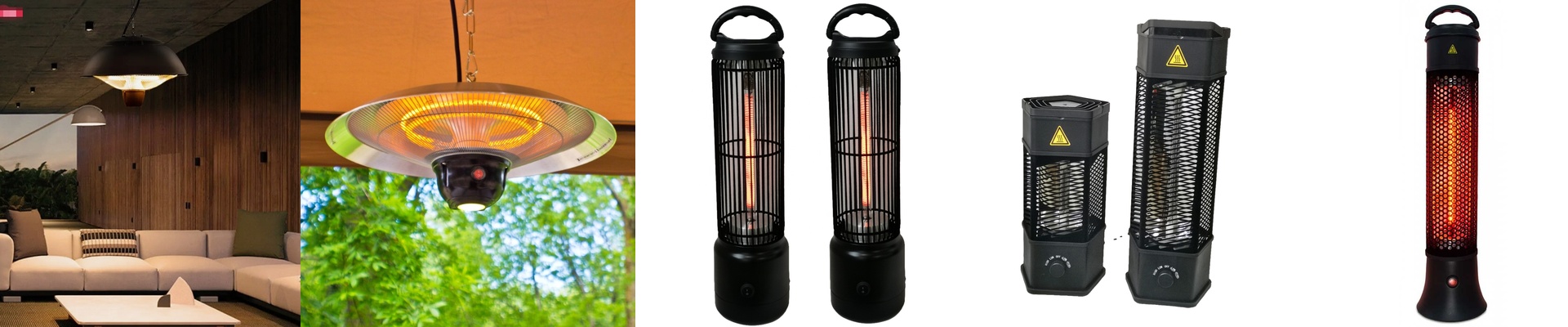

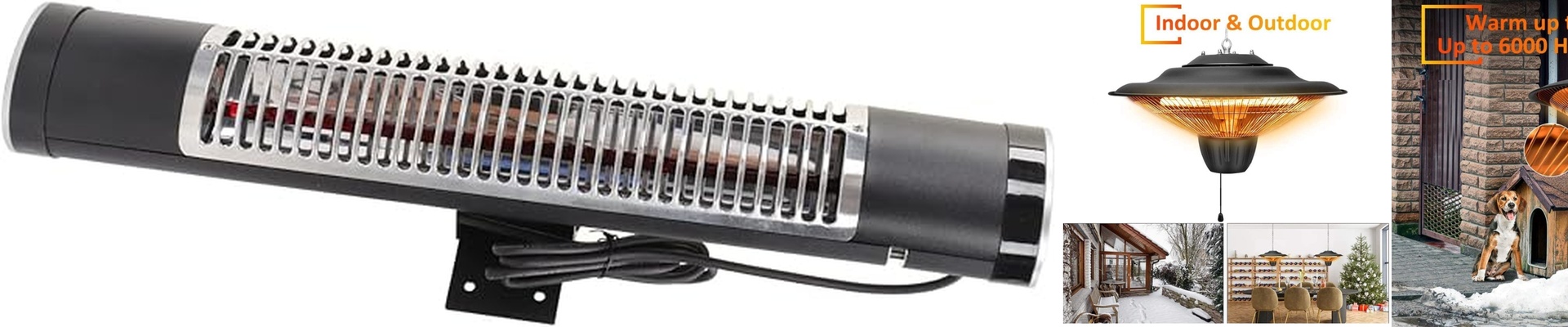

Step up to an infrared handy heater, plug it in, and flip the switch. In a good unit, the element lights almost instantly—clean, even, and consistent. That first glow is more than theater; it is a quick, honest signal of the heating core inside.
What Matters Technically
Infrared handy heaters rely on a radiant element that turns electricity into heat you can feel. A high-purity quartz tube or a carbon fiber element lights fast because it has low thermal mass and strong electrical stability. When we build to this standard, we look for tight filament spacing, clean joints, and consistent wall thickness. The result is a heat-up that hits target temperature within seconds, not minutes, and holds steady instead of pulsing.
Why It Works Here
In practice, that immediate response means comfort on demand—no waiting around while the chill settles in. For a workshop, a garage, or a covered patio, it also means fewer temperature swings. A stable element keeps the surrounding air from over-reacting to on/off cycles, so you get steady infrared warmth without harsh hot-and-cold shifts. That consistency helps muscles relax, keeps the space usable, and makes the heater feel like a dependable tool, not a fussy appliance.
Things to Know
Even the best handy heater has a simple constraint: it is designed for a standard outlet, so it works best in dry or protected areas. Keep the body clear of debris, avoid using it where water can reach, and match the wattage to your circuit. For long runs, a dedicated outlet prevents tripped breakers. When you choose based on that first clean, quick glow, you are buying a heater that earns its keep—day after day.