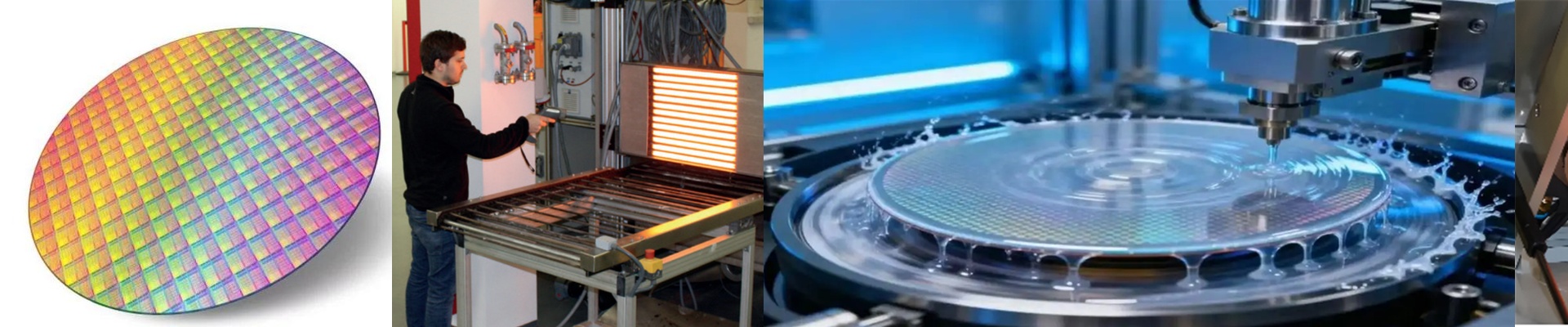
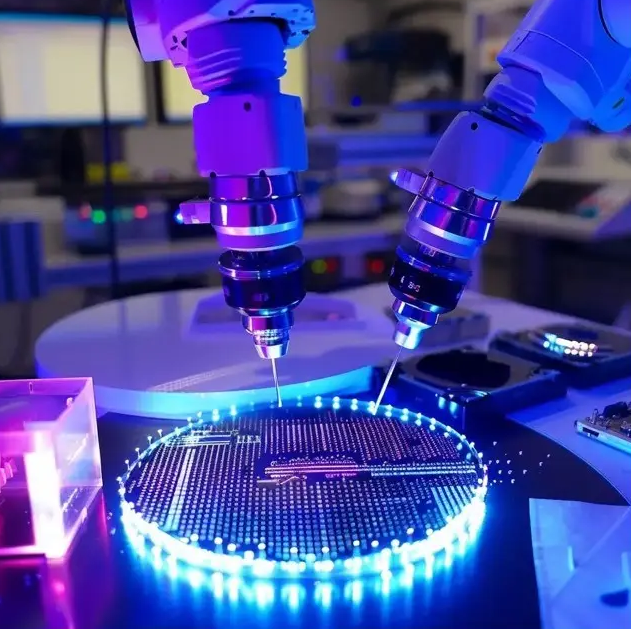
On the fab floor, photoresist bake performance comes down to one thing: cabinet temperature. A 0.5°C drift will move critical dimension. A cold spot will starve the resist, and you’ll see footing and scum. We built our fab chemical cabinet heater to take that variability out of the thermal budget. What matters under the hood We run medium-wave infrared emitters inside a quartz-isolated chamber. It’s radiant heat, fast, with minimal thermal mass. Temperature uniformity across the cabinet stays within ±0.1°C, and repeatability holds at ±0.05°C from batch to batch. The control loop is PID with 24-bit resolution, calibrated against traceable sensors. All wetted surfaces are electropolished 316L, and every seal is rated for solvents and acids. The heater profile is cleanroom-compatible, supporting ISO Class 1–100. Particle generation is kept down by a laminar flow design and HEPA-grade filtration at the exhaust. Power density is tuned to the cabinet volume, with 120 V to 480 V configurations, CE-compliant connectors, and ground-leak protection. Why it holds up in lithography In lithography support, the cabinet holds the exact temperature you need for photoresist soft bake and post-bake. No hot spots to cause skin formation, no cold zones to trap solvents. You get consistent film thickness, fewer reworks, and stable CD control. Energy use drops because the emitters heat on demand, and standby losses sit under 1%. It’s built for 24/7 operation, with MTBF exceeding 50,000 hours, and service access is front-panel so downtime stays minimal. Here are the practical details The heater needs a dedicated, stabilized power circuit. If you’re running aggressive chemistries, run a clean, dry nitrogen purge — otherwise condensate can form and drift will climb. Match cabinet dimensions and door seals to the footprint, and schedule a thermal mapping run during install. That sets the control setpoints and confirms uniformity in your layout.