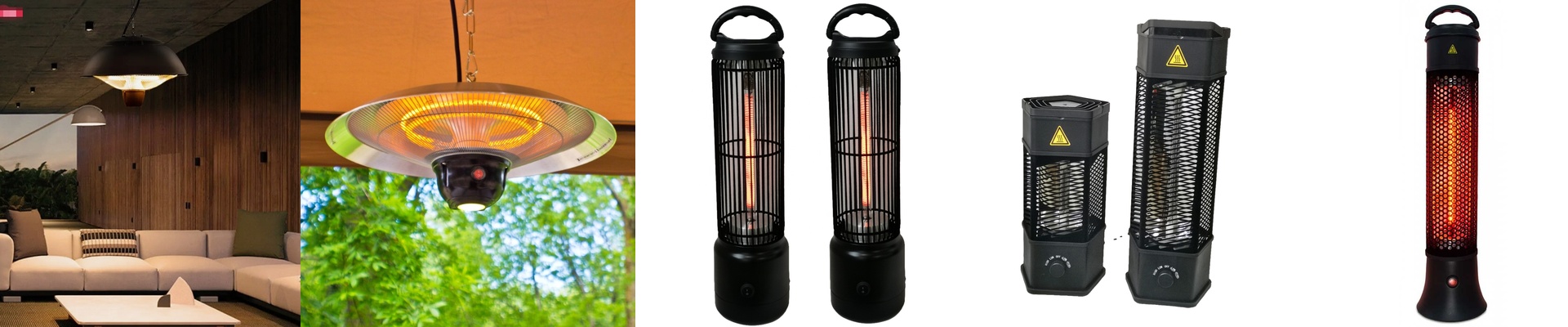
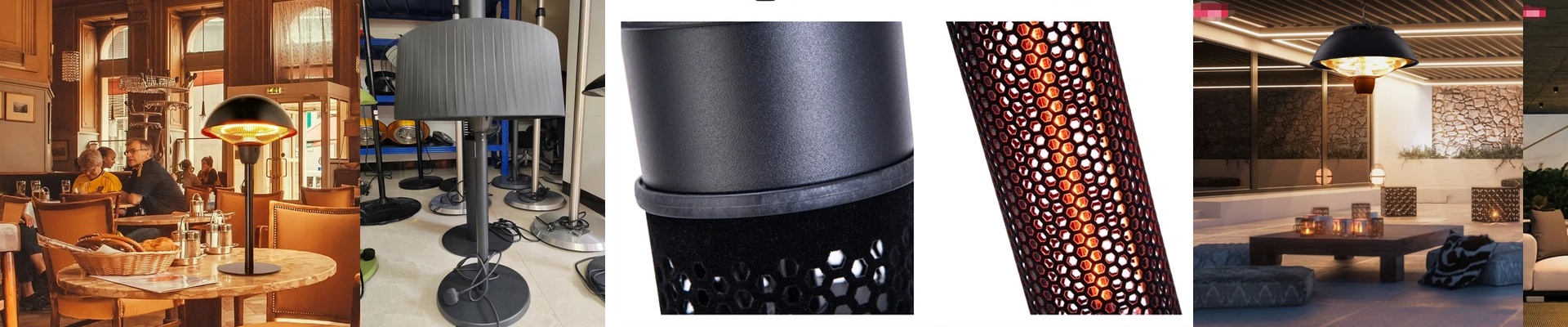
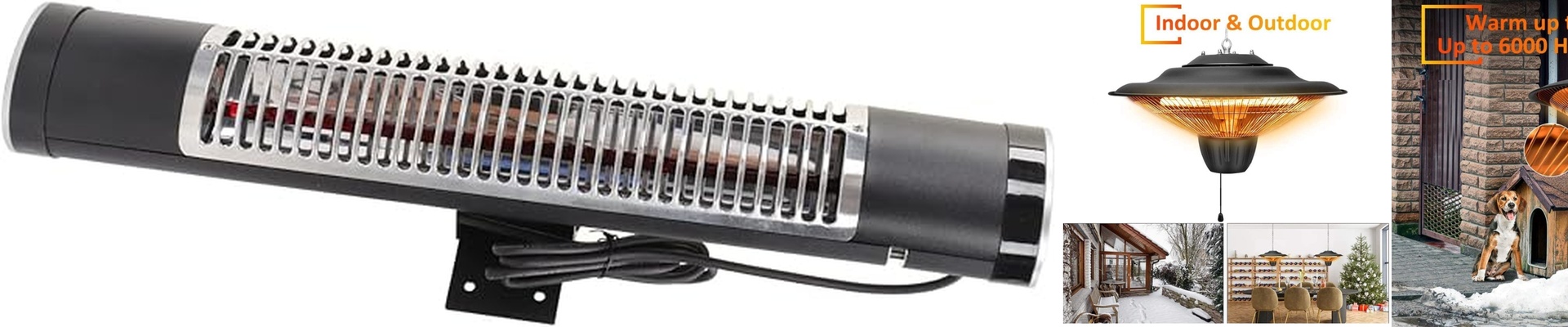
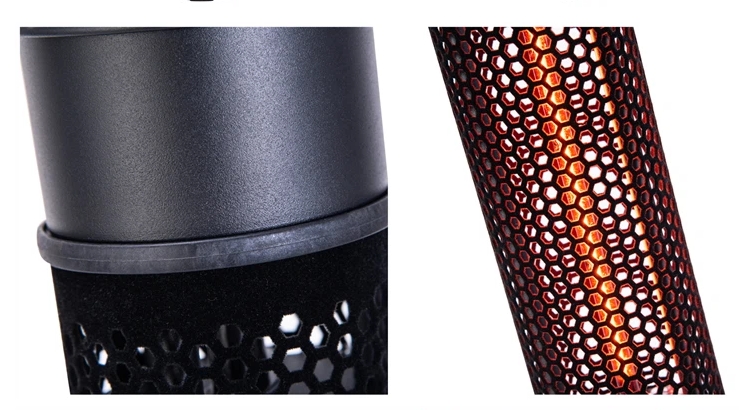
In an open-air restaurant, winter doesn’t just drop the temperature—it drops customer confidence. Guests second-guess the seating, tables sit empty, and the staff works through the cold. Throw in an electric infrared radiant heater, and that same deck turns into a spot people actually want. What matters under the hood This electric radiator heater leans on short-wave infrared, so it warms people and surfaces directly instead of fighting to heat the air. A high-efficiency quartz tube comes up to temperature fast, with output options up to 4,000W on a standard 240V supply. Full output hits within seconds, so comfort starts the moment you flip the switch. For control, an integrated thermostat holds the set feel, and a solid IP rating keeps the critical bits protected from rain and wind-driven exposure. Safety is built in with tip-over protection and overheat protection, so it behaves predictably even during a busy service. Why it fits the real world out there Comfort drives performance. With infrared warmth, guests feel cozy at the table, and that shows up as higher winter occupancy and faster table turnover. Because the heat is directional, you can place units right where seating clusters form, without blasting heat into walkways. The electric heater runs quietly, puts out no odor, and keeps the warmth consistent even when the wind picks up. For the business, that means fewer weather-related cancellations, stronger midweek bookings, and a more dependable revenue curve through the cold months. The practical details that save headaches Plan for even coverage by spacing units according to beam angle and seating layout, and match the total load to your circuit capacity. Infrared heat does its job when it lands on the targets, so avoid mounting that puts the beam over empty space. The heater is built for outdoor use, but don’t let it take direct water exposure beyond what the rating covers. Keep the surrounding area clear for airflow and service access, and you’ll get steady comfort with minimal fuss.