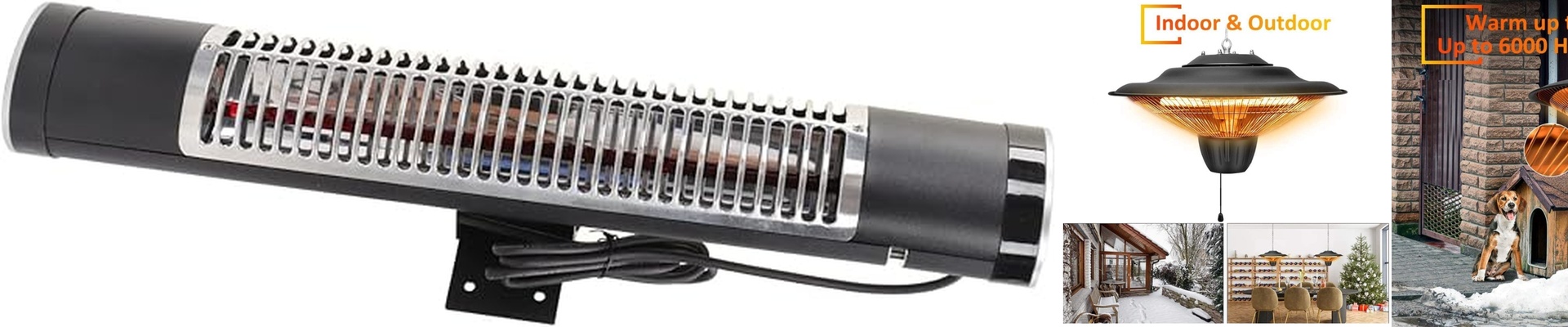
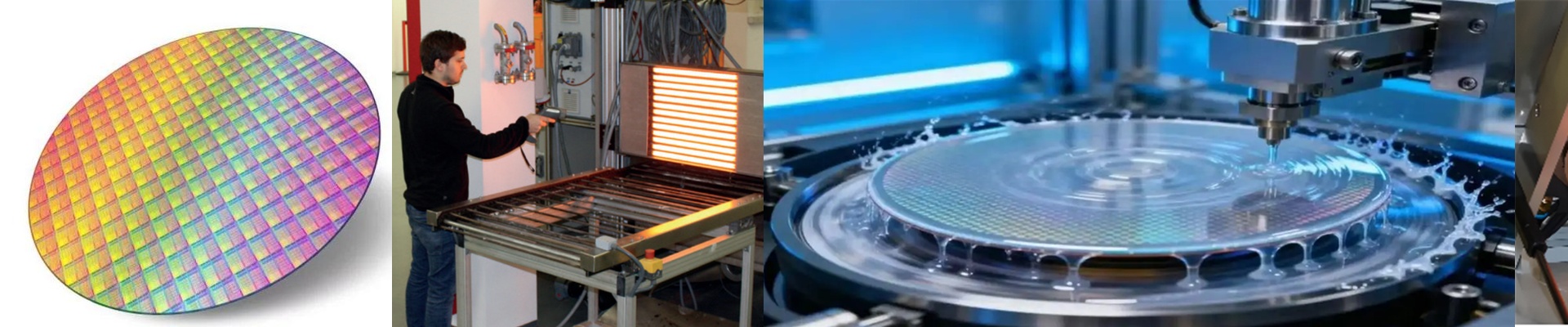

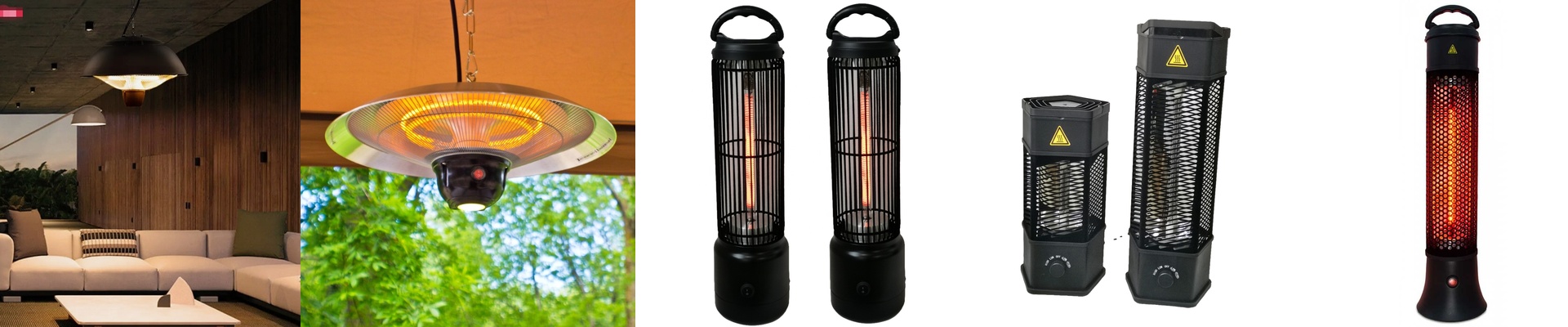
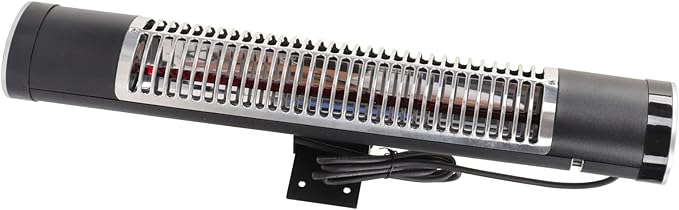
Warehouses and workshops are notorious for one thing: hot air that never reaches the people who need it. The main system runs full tilt, yet you’ve got workers in one aisle wearing coats while the corners waste energy. Turning up the thermostat isn’t the answer. The answer is getting warmth where it matters. That’s what infrared heaters do—they shift the thinking from “heat the building” to “heat the people.”
What actually matters on the technical side
Infrared works with radiant warmth, same as the sun. The energy travels straight to people and surfaces, without wasting time heating the air in between. In our units, we run a high-output carbon fiber element. It heats up fast and lays down an even spread of warmth. You feel it within seconds of switching on, and the heat holds steady across the beam—drafts don’t dilute it. Directional control is the key. Instead of pushing warm air that rises and scatters, the heater delivers its energy in a focused pattern. That puts the warmth right where you want it—on workstations, loading docks, break areas. Add a thermostat, and the system holds comfort without endless cycling.
Why this works in a warehouse
When people are cold, productivity drops. Hands stiffen, focus slips, and safety takes a hit. With infrared, workers feel comfortable quickly, and the work keeps moving. Because the warmth is targeted, you don’t have to overheat the whole space. That means lower energy use, fewer peaks on the utility bill, and less wear on equipment that would otherwise run longer.
What to keep in mind
Infrared heaters shine in spaces with high ceilings and open layouts. They do well in dry conditions, but humidity can affect performance, so placement matters. Installation is straightforward—hardwired or plug-in options are available, depending on the model and local electrical codes. Plan your clearances, and aim the unit precisely so it hits the right zones. One thing to remember: radiant heat warms objects directly, so floors and tools will warm up, but the air temperature near the floor can still feel cooler if the beam doesn’t fully cover the area. We build these heaters to be practical, reliable, and easy to live with—so your team stays comfortable, and your energy spend stays sensible.