
Introduction
When we design our most popular bathroom infrared heaters, there’s one thing we obsess over: surviving the daily soak. A bathroom is brutal on electrical stuff. Constant humidity, fog, and direct splashes can kill a heater fast. So we built a two-pronged defense: anti-fog tech and a splash-proof build. The goal? Keep the heater running strong, year after year, without the drama of premature failure.
The Tech, Without the Tech-Speak
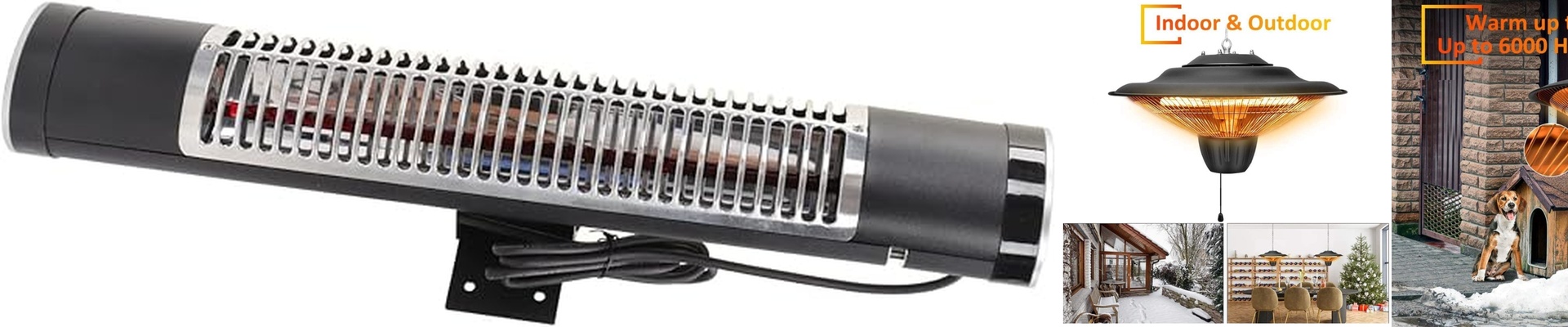
Most of these heaters use halogen bulbs wrapped in quartz. That combo delivers a nice, focused warmth right where you need it. We offer models that pack anywhere from 1000W to 2500W of power, running on standard 220–240V, or a beefier 400V option. The 400V is for bigger spaces—think industrial or heavy-duty setups—where you want serious heat without overloading the wiring. And the tubes? They’re kept short and sweet, usually between 300mm and 600mm. That makes them easy to fit into tight spots and lets you aim the heat exactly where you want it.
How It’s Built to Last
Let’s talk about keeping things clear. The front of the heater gets a special coating on the quartz element and a treated lens. This fights off condensation, so the heat stays strong and consistent. No more foggy, weak output. As for water, the whole assembly is sealed to keep out splashes from any direction. It’s built to meet IPX4 standards, which just means you can spray it down and the inside stays bone-dry. The details matter, too. We use an R7s base because it’s a workhorse. It handles the high heat at the connection points and holds everything tight. It’s a reliable, tried-and-true fit that prevents the loose contacts that lead to burnouts.
What This Means for You
In your bathroom, this setup means fewer headaches. The anti-fog design keeps the lens crystal clear, so the heater doesn’t have to work overtime, which is easier on the filament. And with the splash-proof seal, moisture can’t get at the electrical parts. That keeps corrosion and insulation breakdown at bay. Just one thing to keep in mind: all that power generates heat. Make sure your fixture and wiring are rated to handle the load. Give the unit some breathing room with proper ventilation, and use heat-resistant cables. It’s a small step that keeps everything running smoothly for the long haul.