
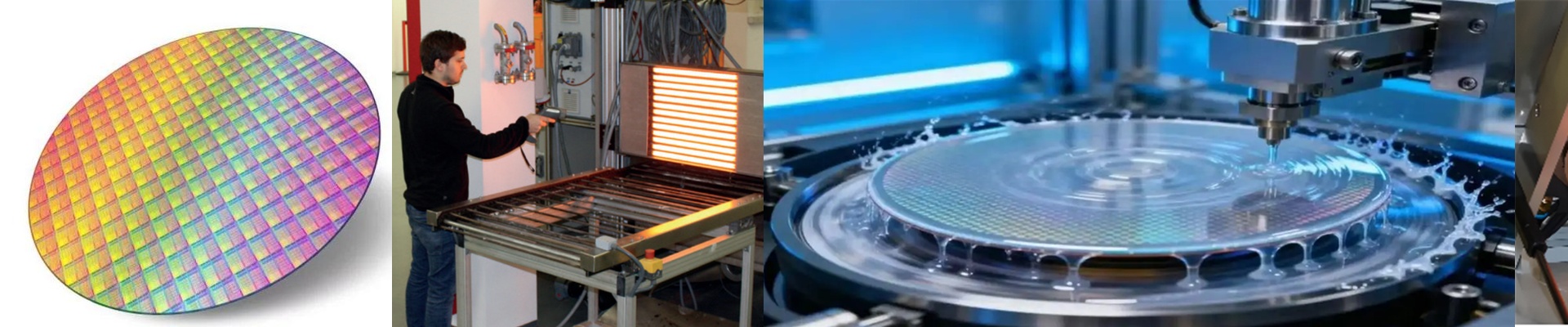
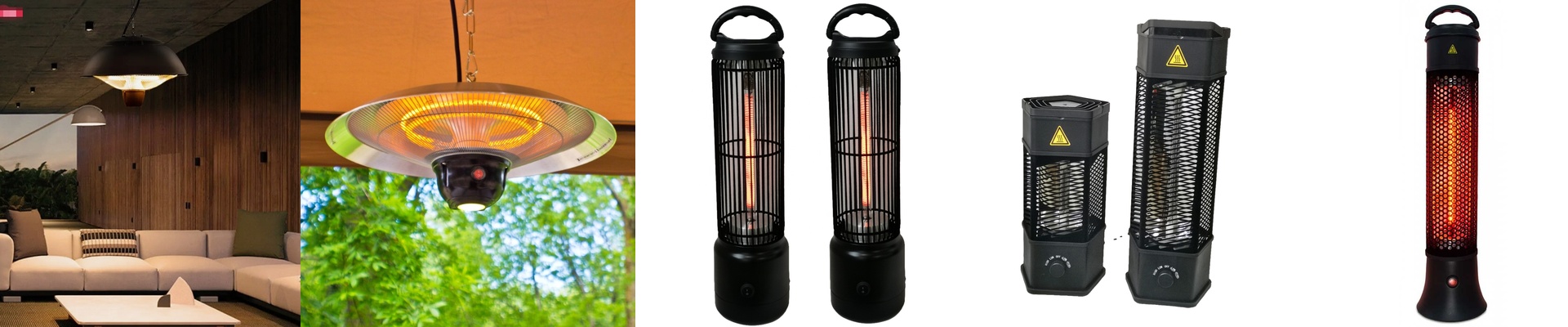
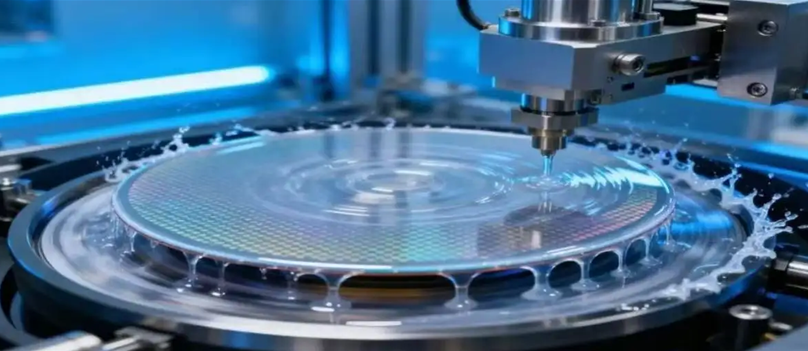
On the fab floor, a 0.5°C drift in the CVD chamber heater is enough to push deposition thickness off spec—and that means the line stops. You need a heater that holds temperature where it counts, at the wafer plane, not just at the sensor. And it has to do that without adding particles or introducing more variability. What matters technically We built the CVD heater around wafer-level thermal uniformity—±0.1°C across the susceptor. That kind of stability is what keeps film stoichiometry and stress under control. The quartz body and short-wave infrared element cut down thermal inertia, so ramp-up and soak transitions repeat, cycle after cycle. The design is cleanroom-compatible from Class 1 to Class 100, with surfaces chosen to keep particle generation as close to zero as possible. Count on 24/7 reliability under a continuous CVD schedule, with zero unplanned downtime traced to the heater. Why it works where it matters In CVD, the thermal budget sets deposition rate, selectivity, and defect density. Stabilize that budget and you get tighter thickness distribution, fewer edge defects, and recipe transfer that behaves the same from tool to tool. The same thermal discipline carries over to photoresist bake. Soft bake and hard bake have to live within narrow temperature windows; we keep wafer temperature consistent, so residual solvent variance drops and CD drift stays in check. The payoff is higher first-pass yield and fewer excursions that eat up debug hours. Here are the practical details Installation comes down to precise alignment to the chamber geometry and calibrated thermocouple placement—otherwise you won’t hit the ±0.1°C uniformity. After maintenance or a tool swap, expect a short warm-up to reach thermal equilibrium. And plan ahead: have spare interface hardware on hand to match your chamber flange and power connector.