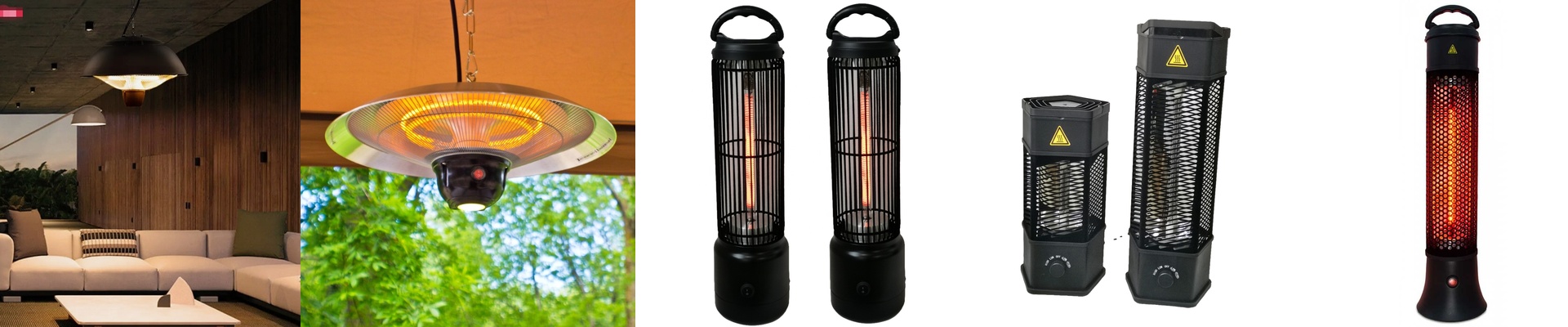



You know the feeling. The thermostat says the house is warm, but your north-facing room feels like it’s fighting a losing battle with the windows. Drafts make it a constant tug-of-war. In those spots, a decorative infrared space heater isn’t just a nice-looking add-on—it goes right after the cold where it starts.
What matters under the hood
Infrared warmth is direct. It heats people and surfaces, not the air, so comfort hits fast. We use quartz elements in our decorative heaters to deliver that steady radiant heat, built as electric patio heaters and indoor units that read like furniture, not a piece of equipment. Match power to the room you actually have:
- A 1,500 W heater is right for a well-insulated space up to about 150 sq ft.
- Step to 2,000 W for moderately insulated rooms of similar size.
- Go to 3,000 W for larger rooms or areas with serious heat loss. A built-in thermostat keeps output steady, and tip-over protection gives you the confidence to use it without second-guessing.
Why this approach works
It’s about fast, personal comfort and using energy a little smarter. Match the wattage to the room’s orientation and insulation, and the warmth feels immediate—no waiting for air to heat up, no dry blast. In living rooms, bedrooms, or covered patios, you can back the central heat off a notch and still feel cozy. The result is steadier comfort, lower running costs, and a heater that fits your space instead of fighting it.
The practical details you can’t skip
Placement matters. Keep the heater 3 to 6 feet from people and furnishings, and make sure it’s clear of curtains and tablecloths. It needs a dedicated outlet on a circuit that can handle the load—1,500 W units draw about 12.5 A on 120 V, and 3,000 W units may require a 240 V circuit. For outdoor use, check the IP rating against how exposed the heater will be to moisture. Yes, you get warmth quickly, but with radiant heat, comfort is most even when the unit is positioned to hit the spots you actually use.