
Stop Waiting on Your Oven: Why IR Heating Wins in Wafer Processing
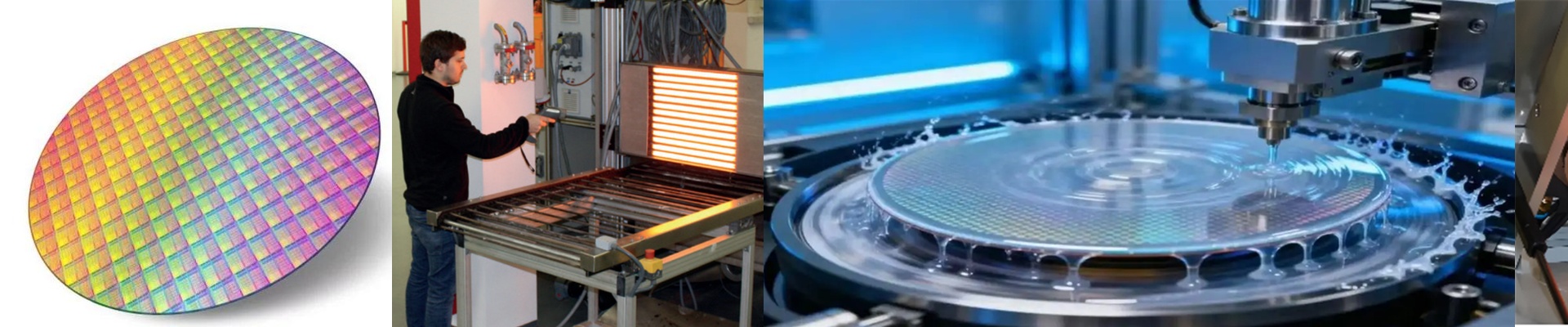
If you’re still using forced hot air for semiconductor processing, you’re basically waiting around for a room to warm up before you can actually get to work. It’s slow. Air convection is just… clunky. You have to heat up the air, then the air heats the wafer. There’s this annoying lag where you’re just staring at a timer, waiting for the temperature to climb. Infrared (IR) changes the math. Instead of heating the air around the wafer, IR hits the surface directly with electromagnetic radiation. It’s like the difference between trying to warm your hands by heating up the entire living room versus just putting them in front of a fireplace.
The “Waiting Game” Problem
We’ve all dealt with thermal inertia. It’s that frustrating gap where the machine is “ramping up,” but nothing is actually happening. With IR sensors and emitters, you can hit your target temperature in seconds. Not minutes. Seconds. That removes the biggest bottleneck in the production line and lets you actually move things along.
Less Bulk, More Control
Another thing? The footprint. Forced air needs blowers, ducts, and a lot of physical space. IR lamps are tiny by comparison. You can tuck them right up against the substrate, which gives you a much higher heat density. But a quick heads-up: you can’t just slap these in and forget about them. High-wattage IR arrays put out a lot of radiant heat that can bleed into the machine’s frame. If your cooling isn’t up to the task, your sensors might start drifting, and then you’re chasing your tail trying to recalibrate everything.
Getting More Done
At the end of the day, moving to IR is really about throughput. You stop fighting against how air moves and start using energy that responds instantly. You spend less time waiting for a chamber to stabilize and more time actually processing wafers. It’s a simple trade: you give up the slow, steady crawl of convection for something immediate and controllable. And your schedule will thank you for it.