

Getting Your Thermal Precision Right in the Fab
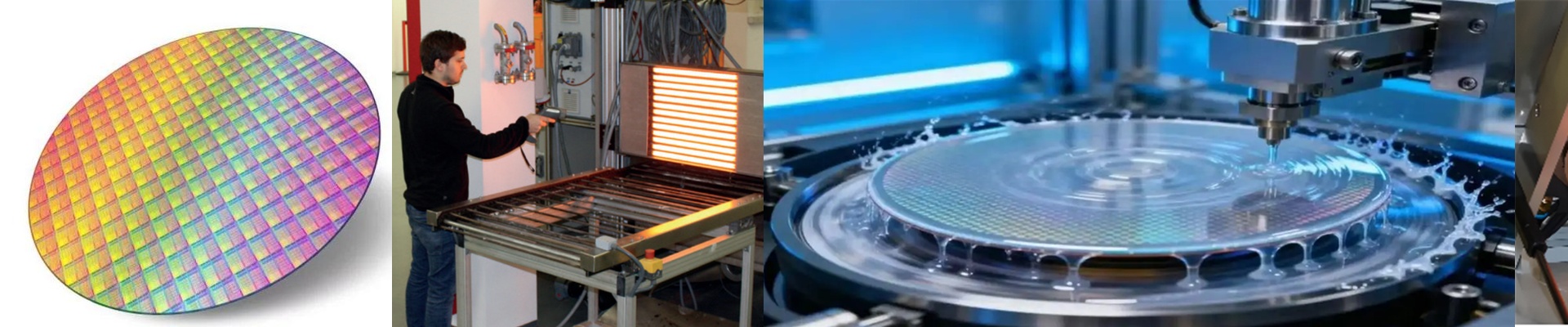
When you’re curing wafers, heat is everything. But it’s a delicate balance. If the heat isn’t perfectly distributed, you end up with warping or chemical deposits that just aren’t even. To stop that from happening, we rely on high-reflectivity IR systems. Basically, we’re just bouncing that energy back onto the substrate. In a modern smart Fab, it’s more than just “turning up the heat”—it’s about using real-time mapping and recovering energy that would otherwise just disappear.
Why the Reflector Matters
Think about a standard curing lamp. It throws energy in every direction—a full 360 degrees. If you don’t have a reflector, you’re essentially throwing half your power away. That’s why we use gold-coated or high-purity aluminum parabolic reflectors. They grab that shortwave IR radiation and focus it right where it needs to be. The best part? You get higher temperatures on the wafer without having to crank up the wattage. It keeps the target hot and the rest of the chassis cool. Simple.
Making it “Smart”
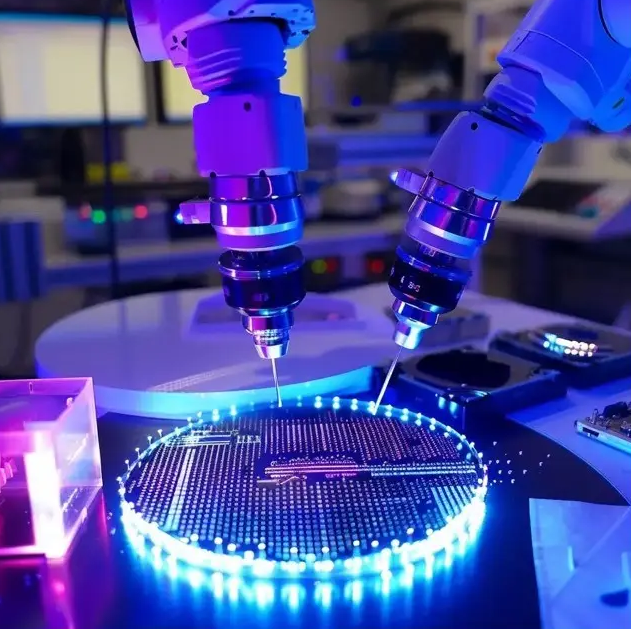
Every piece of gear in a modern Fab needs to talk to the rest of the system. We do this by pairing those reflectors with IR sensors and closed-loop PID controllers. It’s a constant conversation: the sensor checks the temperature, and the lamp adjusts its power instantly. This is how you avoid those dreaded “hot spots” that can trash an entire batch of wafers. One quick tip: make sure your reflector geometry actually matches the focal length of your lamp. If they’re off, you’ll get uneven curing and a power bill that’ll make you wince.
The Reality of Maintenance
Here’s the catch: those high-reflectivity coatings are sensitive. They get hammered by dust and chemical vapors. Even a tiny bit of grime can knock your reflectivity down by 10% or 15%. When that happens, the lamps have to work harder and run hotter to keep up. That kills the tubes faster. You’ll have to decide if you want to pay more upfront for premium coatings or deal with the headache of replacing lamps more often. My advice? Just stick to a strict cleaning schedule. It’s the easiest way to keep your efficiency from sliding.