
A Better Way to Dry MEMS Wafers: Why We Switched to IR
Let’s be honest—traditional wafer drying is a mess. You’re dealing with chemical solvents, heavy metals, and those nasty VOCs that make a cleanroom feel less like a lab and more like a chemistry experiment gone wrong. We decided to ditch all that. Now, we use infrared (IR) heating. It’s cleaner, it’s greener, and it actually works better.
How it actually works
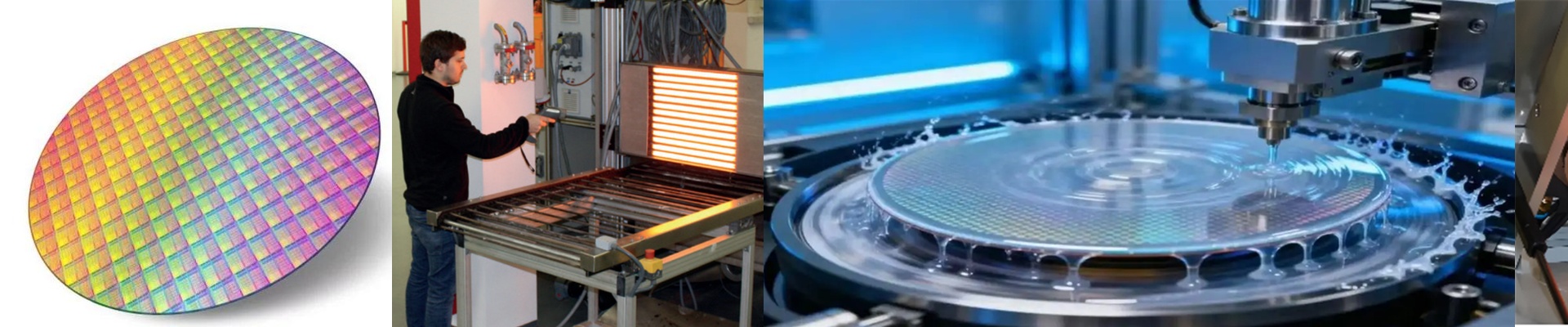
Most people think of ovens, where you heat the air and hope the air heats the part. That’s slow. IR is different. It’s like stepping into the sun on a July afternoon. The lamps send electromagnetic radiation straight into the wafer. We tune it to hit the specific frequency that water molecules love, which basically “flashes” the moisture right off the surface. It’s fast.Really fast. We went from waiting minutes to waiting seconds. Plus, the machines are smaller, so you get more floor space back, and your power bill takes a hit for the better.
The tricky parts (and how we handle them)
To keep things truly “lead-free,” we use quartz-envelope lamps with high-purity filaments. These don’t leak toxins when they heat up, which is a huge relief for anyone breathing the air in the shop. But here’s the catch: IR creates a ton of heat in a very small space. If your wafer has different thicknesses or mixed materials, you can end up with “hot spots.” If you aren’t careful, you’ll warp your silicon. To stop that, we use pulsed power supplies to keep the delicate MEMS structures from frying, and we’re obsessive about the conveyor speed and lamp distance. It has to be just right.
What this means for the shop floor
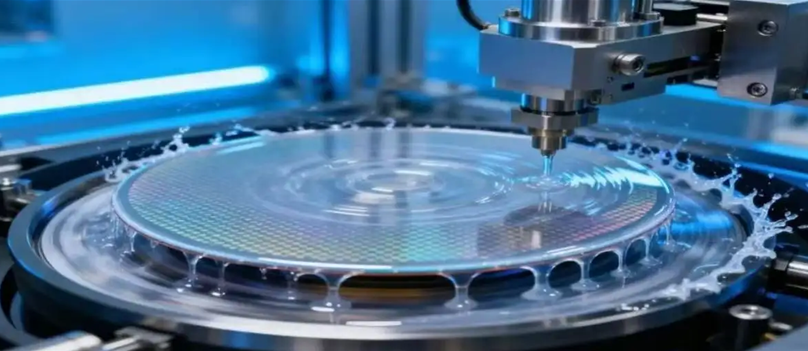
If you’re still running old chemical drying lines, switching to IR is pretty straightforward. The best part? You can stop worrying about hazardous waste disposal or spending a fortune on ventilation to suck out solvent fumes. It’s the easiest way to hit those environmental mandates without slowing down your production. And the results look better. You don’t get those annoying residue streaks you usually see with air-knife drying. The wafers just come out clean.