
Keeping it Clean: The Secret to Heating Smart Sensors
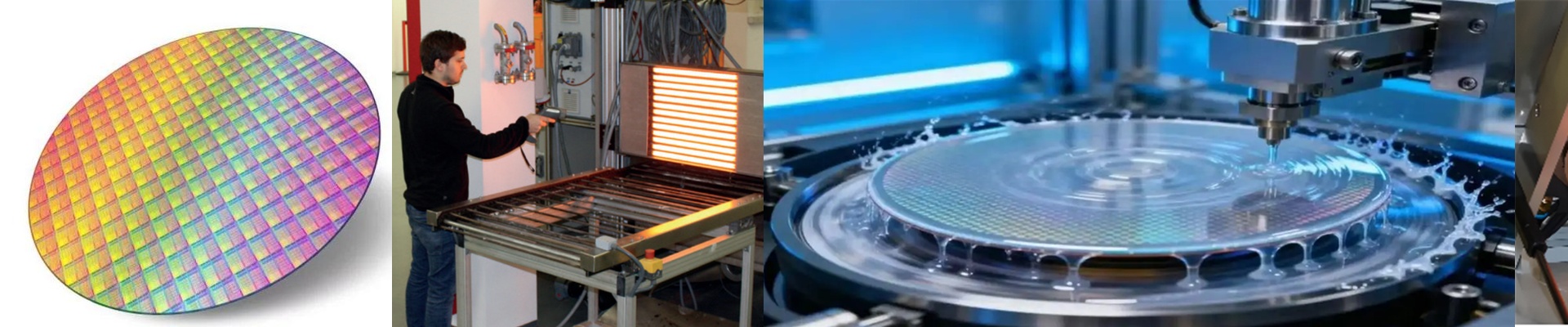
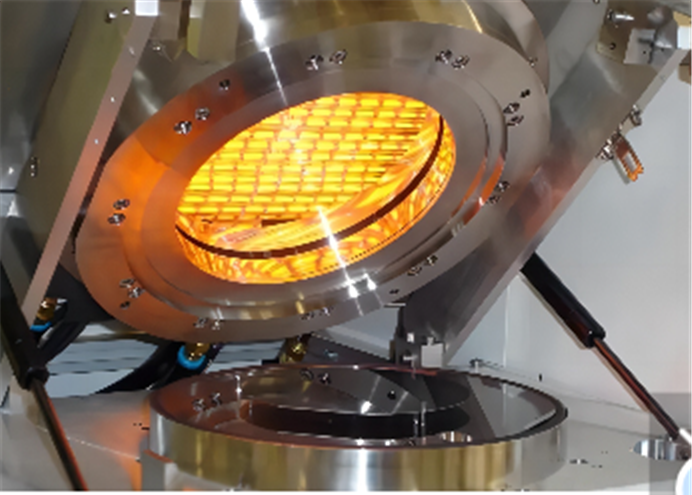
When you’re working in a Class 100 cleanroom, “close enough” doesn’t cut it. One tiny, invisible flake of material is all it takes to trash an entire batch of sensors. It’s a nightmare. That’s why we don’t just throw raw wattage at the problem. We use high-purity synthetic quartz for our infrared lamps. Why? Because it stops outgassing and particle shedding before they even start. The deal with high-purity quartz Standard quartz is fine for most things, but under heavy thermal stress, it can start to break down. It basically “sheds” little bits of itself into the air. Not great when you’re trying to keep a production line spotless. We use a specific grade of quartz that holds its own even when things get incredibly hot. It stays solid. It stays clean. You don’t have to worry about your heating element becoming a source of contamination. Handling the heat (and the gunk) It’s not just about the material; it’s about the finish. We polish the tubes to make them non-porous. If the surface is smooth, airborne junk can’t stick to it. That means there’s nothing left to burn off and drift onto your wafers. Plus, we design these for short-wave IR. This is a big win because short-wave energy sinks deeper into the packaging materials faster. Your parts spend less time in the heating zone, which means there’s way less chance for the surrounding environment to degrade. It’s faster and safer. The “Gotchas” of installation Here is the thing: you can’t just jam these into any old fixture. High-purity quartz is a bit more brittle than the industrial glass you might be used to. If metal hits glass directly, you’re asking for a stress fracture. We always suggest using PTFE or high-temp silicone buffers. Just a little bit of padding goes a long way. And a heads-up on the heat. These lamps are intense. If you aren’t careful, that IR output will bake your cabling or overheat the sensor housings. Double-check your shielding and make sure your cooling fans are up to the task. You don’t want a creeping temperature spike triggering a cleanroom alarm in the middle of a shift. That’s a headache nobody needs.