

Keeping Your Class 100 Cleanroom Actually Clean
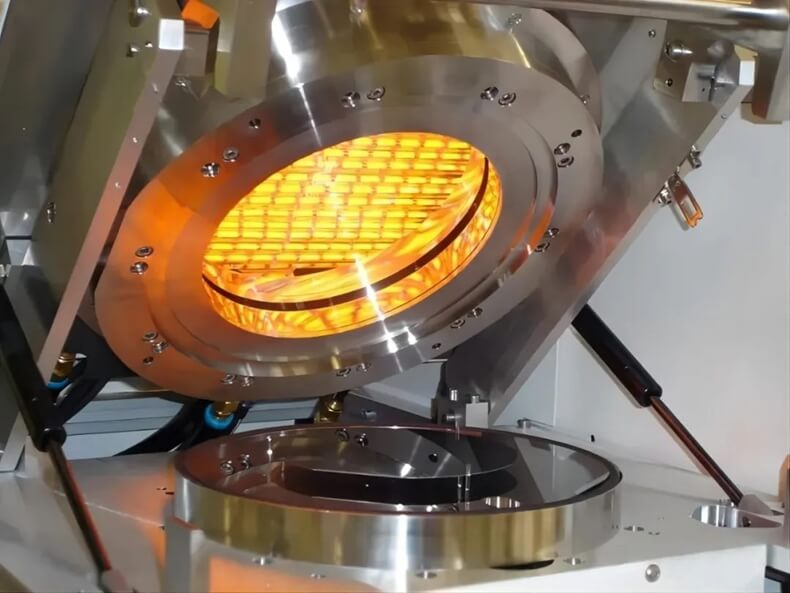
If you’re running a Class 100 environment, you already know the headache. One tiny speck of dust or a weird chemical smell during a heating cycle can ruin an entire batch. It’s frustrating. Most IR lamps just aren’t built for this. They use cheap adhesives or coatings that start flaking off or “off-gassing” the second they get hot. You end up with particles where they don’t belong. We fixed that by sticking to high-purity quartz and specialized aluminum. The deal with high-purity quartz We use synthetic quartz for the lamp envelope. Why? Because it doesn’t freak out when the temperature spikes. Standard glass can crack under thermal shock, and worse, it often releases those nasty volatile organic compounds (VOCs) once it warms up. With this stuff, you just get clean infrared heat. No “smoke,” no weird chemical fumes, and nothing to contaminate your semiconductor wafers or medical polymers. It’s all about the reflector The reflector does more than just bounce heat around. It’s about what the surface is made of. A lot of the cheap options out there use painted or plated plastics. Those peel and blister under high heat—which is a nightmare in a cleanroom. We use high-grade aluminum polished to a mirror finish. It stays stable. It pushes the energy exactly where it needs to go—onto your workpiece—while keeping the rest of your chassis from overheating. A quick heads-up on heat Here’s the thing: when you combine high-purity quartz and polished aluminum, you get a massive amount of heat density. It’s powerful. But that means you have to get your airflow right. If your cooling fans aren’t up to the task and you don’t move that ambient heat away from the lamp ends, you’re going to fry your connectors. Keep them cool, and they’ll last. One last tip for the install When you’re wiring these into your line, watch your hardware. Use stainless steel or anodized aluminum for your mounting brackets. Whatever you do, stay away from galvanized steel. It’ll drop zinc flakes right into your environment, which basically undoes everything the high-purity lamp is trying to achieve. Stick to the right materials and your particle count will stay right where it needs to be.