
Stop Your IR Lamps From Ruining Your Batch
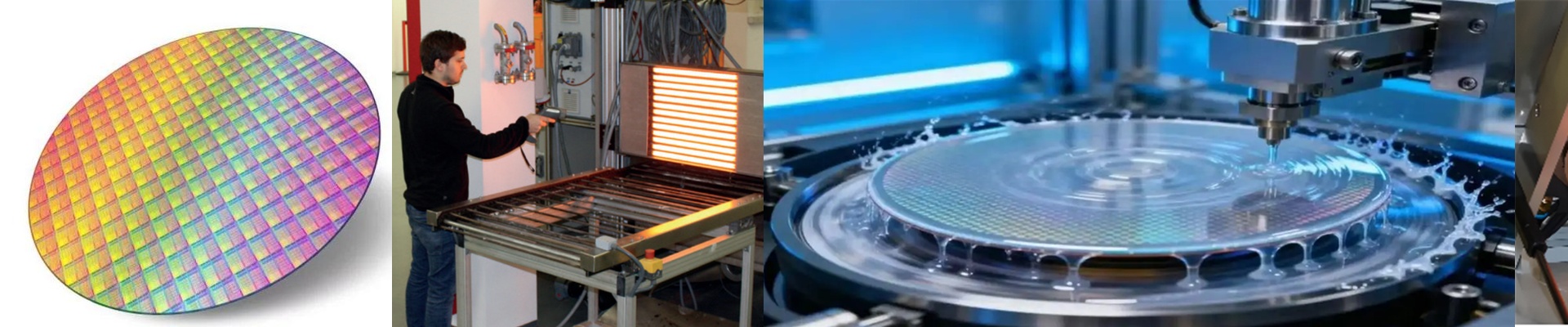
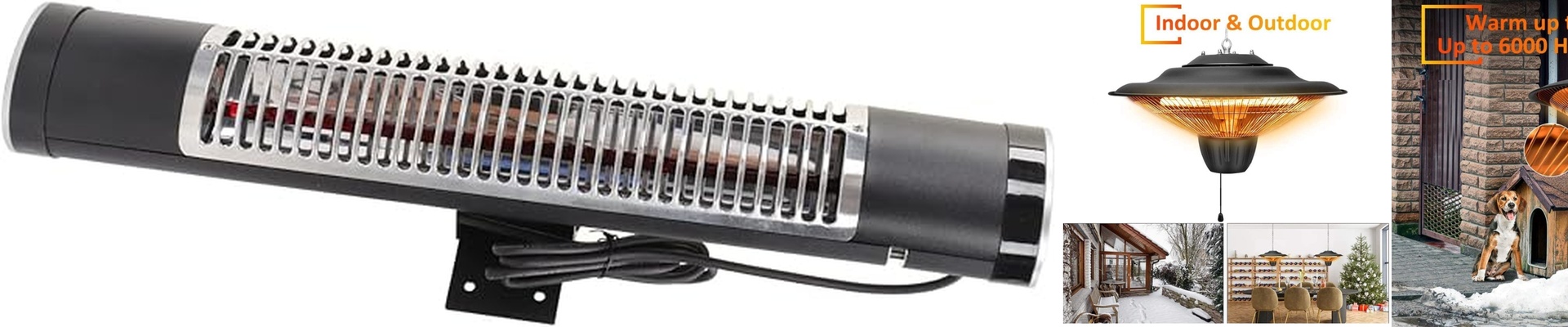
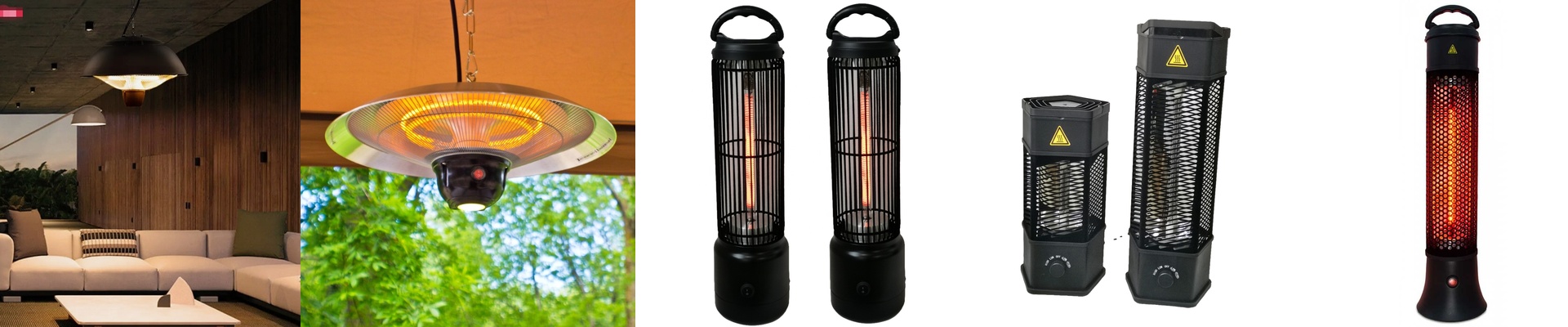
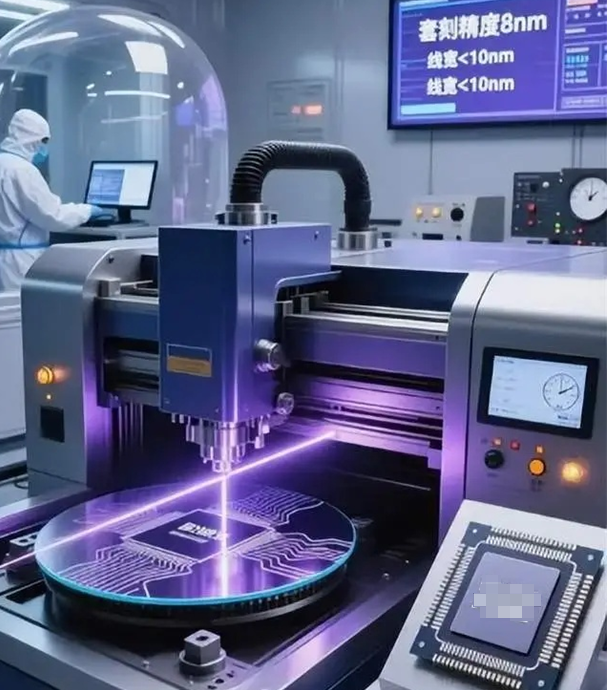
If you’re running high-load semiconductor production, you know the nightmare scenario: an IR lamp bursts. It’s not just about the heater dying. It’s the mess. One quartz tube fails and suddenly your tool is showered in glass shards and metallic dust. That’s how you scrap an entire batch of wafers in a heartbeat. It’s frustrating, expensive, and honestly, avoidable. That’s why we build our lamps with a “worst-case scenario” mindset. Keeping the mess inside We don’t just hope the glass holds up. We use a dual-layer setup. Sure, the quartz envelope is built to take a beating from thermal shock, but we don’t stop there. We wrap the lamp in a protective shroud. Think of it as a safety net. If the lamp cracks or burns out during a brutal thermal cycle, the shroud catches the fragments. The debris stays put. Your wafers stay pristine. Handling the heat We use high-purity quartz so you don’t have to deal with weird outgassing when things start heating up. We also spent a lot of time on where the filament actually sits. By optimizing the positioning, we get rid of those nasty hot spots on the tube wall. No hot spots means fewer stress fractures and a much lower chance of the tube just giving up. But here is a quick tip:**don’t over-volt your tubes.**I know it’s tempting to push the power to shave a few seconds off your heat cycle, but you’re just trading a little time for a much higher risk of a burst. Stick to the ratings. The trade-off Now, nothing is perfect. Adding that protective sleeve does mean you lose a tiny bit of IR transmission. You aren’t getting 100% of the raw heat compared to a bare lamp. But in my book, that’s a fair trade for total peace of mind. To make it work, just tweak your PID settings to account for the sleeve’s thermal mass. You’ll hit your target ramp rate just fine, and you won’t have to worry about a glass explosion ruining your week.