
Keeping Your Wafers Clean: The Truth About Hydrogen Sensor Heaters
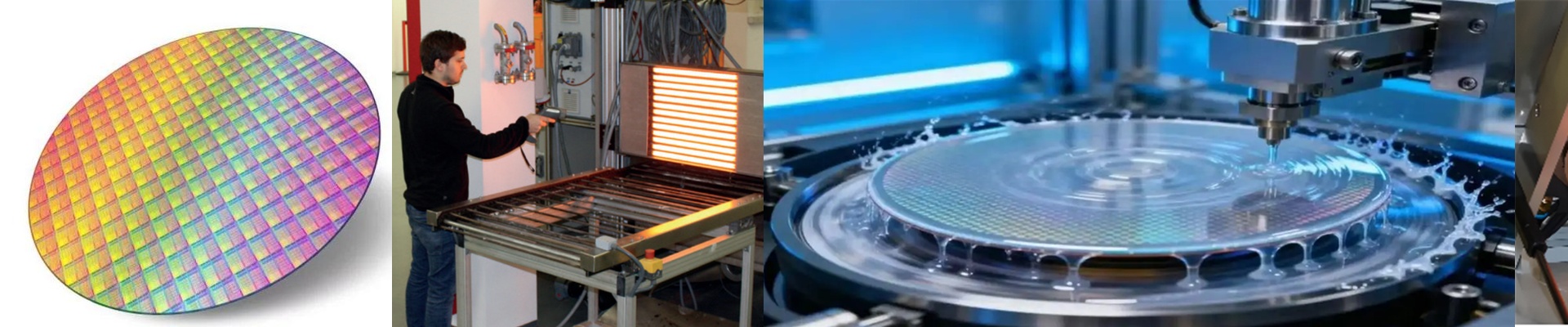
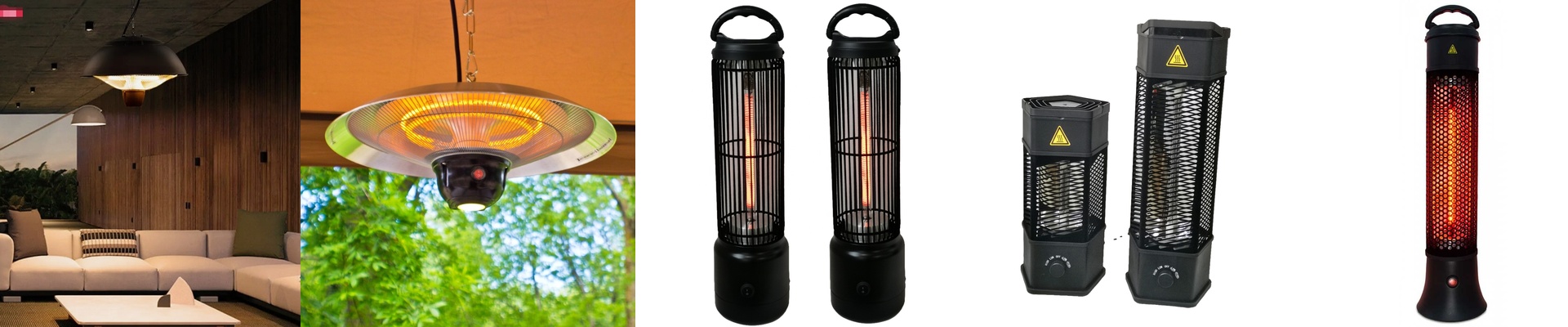
When you’re making hydrogen sensors, those high-intensity IR lamps are doing the heavy lifting. But here’s the scary part: when you push these tubes to the limit, they can pop. A shattered lamp is a nightmare. It’s not just about the downtime. You’ve got quartz shards and halogen gas raining down on your wafers. One bad break and your entire batch is trash. The balancing act of heat and pressure We spend a lot of time obsessing over how these lamps handle thermal shock. When you’re cycling heat rapidly, the quartz envelope is under a ton of stress. It’s a bit of a tightrope walk. If the quartz wall is too thin, the pressure wins and the lamp bursts. But if we make it too thick? You lose that IR penetration you need to actually heat the sensor substrate. We use high-purity fused quartz to find that sweet spot where the lamp is tough enough to survive but clear enough to work. Adding a safety net To keep your wafers safe, we don’t just rely on the glass. We add layers. Some of our lamps come with specialized coatings, while others sit inside reinforced quartz sleeves. Think of it as a containment shield. If a filament snaps and the tube cracks, the mess stays inside the sleeve instead of landing on your product. And we’re very picky about the glue. No cheap resins or adhesives here. Those things “outgas” when they get hot, and those fumes can poison the active layer of your sensor. Not a good look. Living with high-load setups Look, cranking up the wattage is the only way to get the heat density you need for fast throughput. But that comes with a price. Higher wattage means more internal pressure. To keep things from blowing, you’ve got to make sure your power supply isn’t throwing voltage spikes at the filament. We always suggest using a precise PID controller so you don’t overshoot your target temp. One last thing: watch your fans. If your cooling fails, the ambient heat builds up and kills the lamp life fast. We build these things to take a beating, but they can’t survive a sauna. Keep them cool, and they’ll keep working.