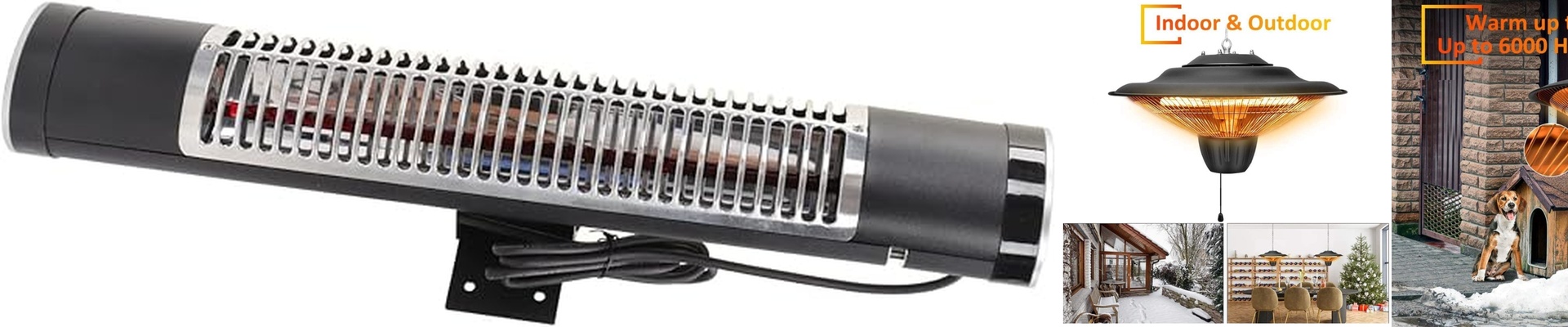


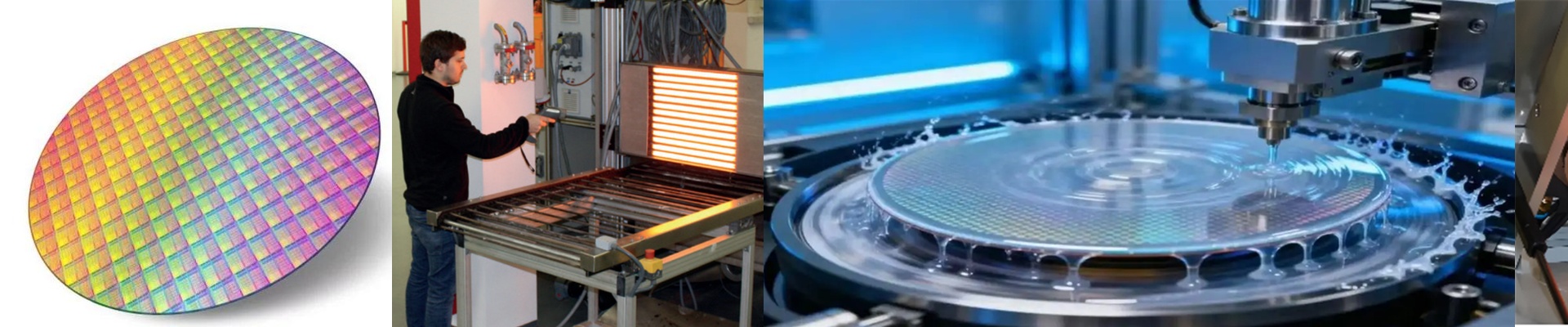

Why we test every single heater housing (and why you should care)
When we build these stainless steel heater housings, that metal shell does more than just hold things together. It’s your primary ground. Here’s the problem: if the heating element inside leaks current into that shell, your equipment isn’t just broken—it’s dangerous. That’s why we don’t take shortcuts. Every single unit goes through Hi-Pot and insulation resistance testing before it even thinks about leaving our shop.
The reality of electrical leaks
In high-wattage industrial heaters, the space between the live element and the chassis is tiny. Then you add heat into the mix. These things expand and contract constantly. Over time, that movement can wear down insulation or shift things around. A tiny pinhole or one stray piece of wire is all it takes to energize the entire housing. To stop that from happening on your floor, we blast the units with a voltage way higher than they’ll ever see during normal use. We want to force any hidden weakness to snap in our lab, not in your machine.
No “random sampling” here
Some shops test a few units from a batch and assume the rest are fine. We don’t do that. First, we check the insulation resistance (IR) to make sure the material is actually doing its job. Then comes the withstand voltage test. We push the insulation to its absolute limit. If it fails? It’s gone. We scrap it or strip it down and start over. No exceptions, no “close enough.”
The trade-off
There is a bit of a balancing act here. If we make the insulation thicker, it’s safer, but the heater gets bulkier. Plus, thicker insulation can actually slow down how fast the heat transfers. It’s a tug-of-war between maximum safety and raw efficiency. One last thing: if you’re wiring these into high-voltage systems, please double-check your grounding lugs. Make sure they’re clean and tight. Even the best housing in the world won’t save you if your machine’s ground loop is a mess.