
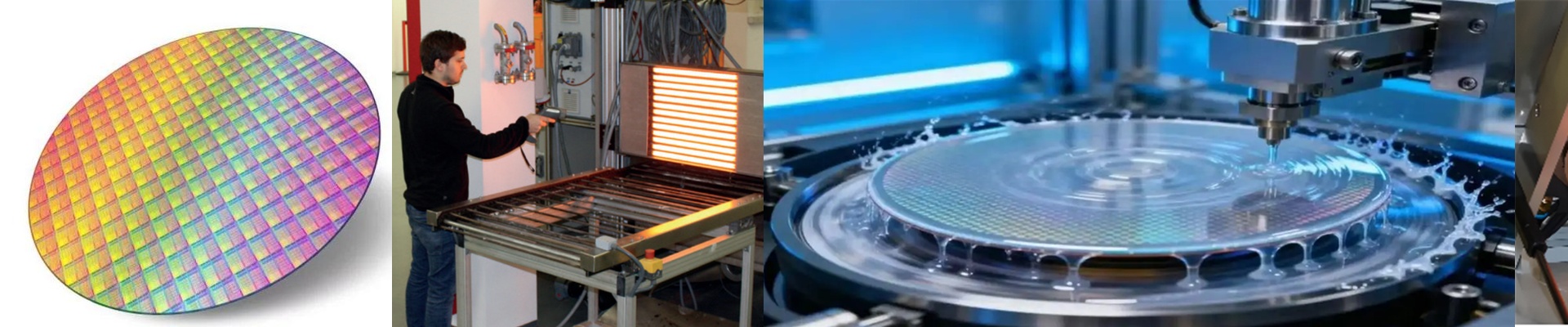
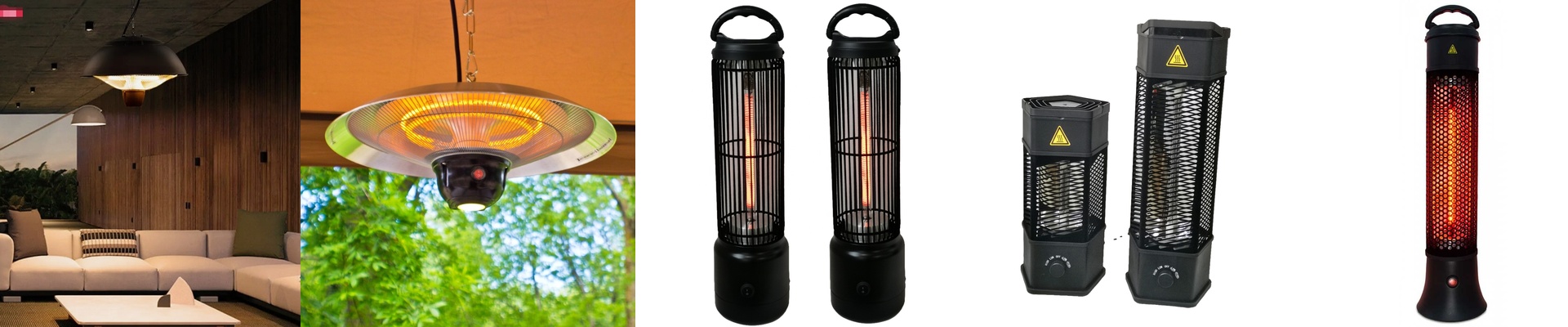
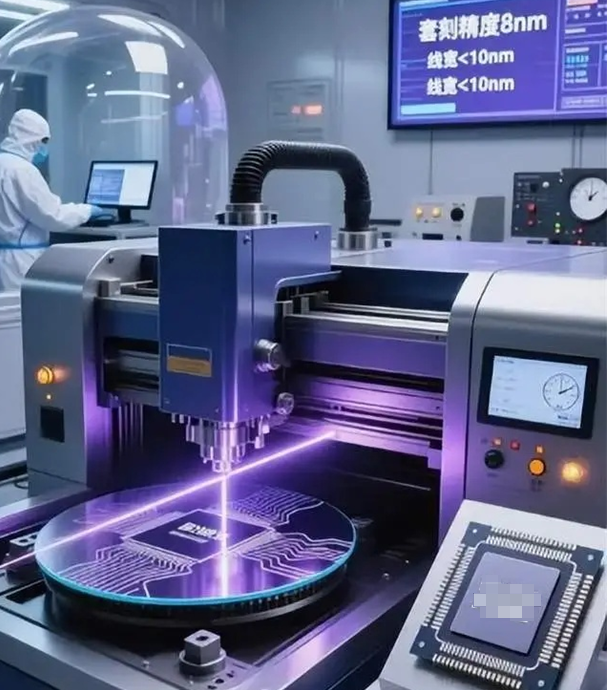
In a high-volume fab, wafer temperature isn’t a “variable” you tweak on the fly—it’s a fixed part of the yield equation. A half-degree drift during photoresist processing or wafer drying can show up later as thickness non-uniformity and pattern defects, and you only see it at electrical test, when scrap is already expensive. We built our infrared heaters to take that variability out at the process level.
What matters, technically
Our short-wave infrared systems keep wafer-level thermal uniformity within ±0.1°C across the chuck, and they settle on a new setpoint in under 2 seconds. The heater elements are quartz-halogen, with tight spectral control, so energy goes straight into the photoresist and substrate without cooking the surrounding hardware. Control is closed-loop, and the sensors are calibrated and mapped directly to the process recipe—soft bake, hard bake, and cure—so temperature repeatability is traceable lot-to-lot. The hardware is cleanroom-ready, with surfaces compatible with Class 1–100 environments, and particle generation stays at zero during steady-state operation.
Why it holds up in production
In lithography cells, the soft bake is where you set photoresist viscosity and drive out solvent. Too little energy and you get edge bead; too much and your critical dimension control starts drifting. Our infrared module lands the temperature right where the recipe calls for it, which cuts rework and tightens line-width consistency. The same fast, uniform heating matters after cleaning, too. When you dry wafers, you clear moisture without thermal shock—no micro-bridges, no water marks. The upshot is fewer excursions, a stable thermal budget, and uptime that can handle 24/7 production. And because the energy is delivered directly and only when the recipe says so, you’re not wasting power.
What you need to get right up front
Installation comes down to matching the heater footprint and interface to the track or coater tool—connector type, mechanical clearances, the whole fit. The system performs best when the chamber and chuck match the infrared emissivity and thermal mass of the process; if they don’t, setpoint convergence can drift. Plan the thermal budget across the full sequence—pre-heat, hold, ramp—or you’ll risk photoresist skinning. When it’s integrated properly, the unit runs with minimal maintenance and delivers consistent output for 5,000+ hours.