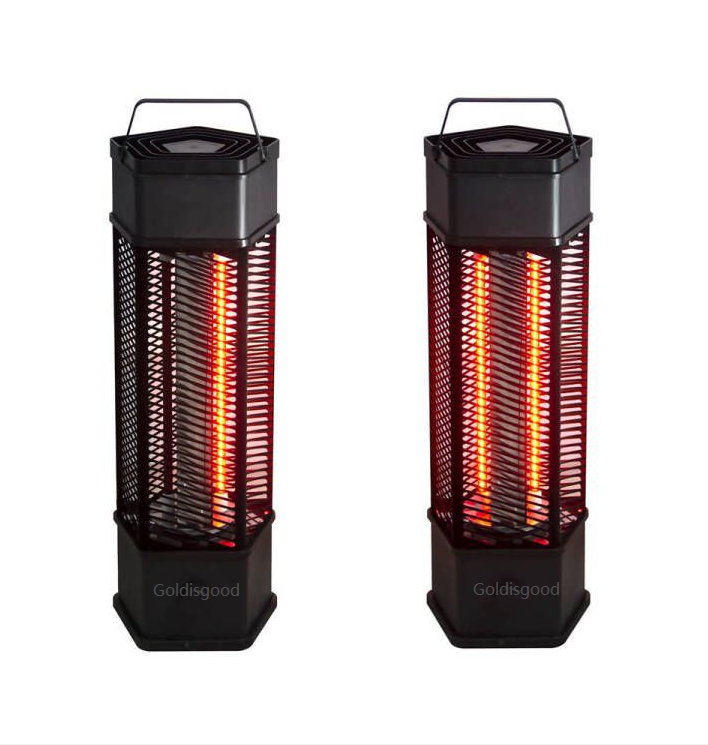
Making Your Pergola Warm (Without the Headache)
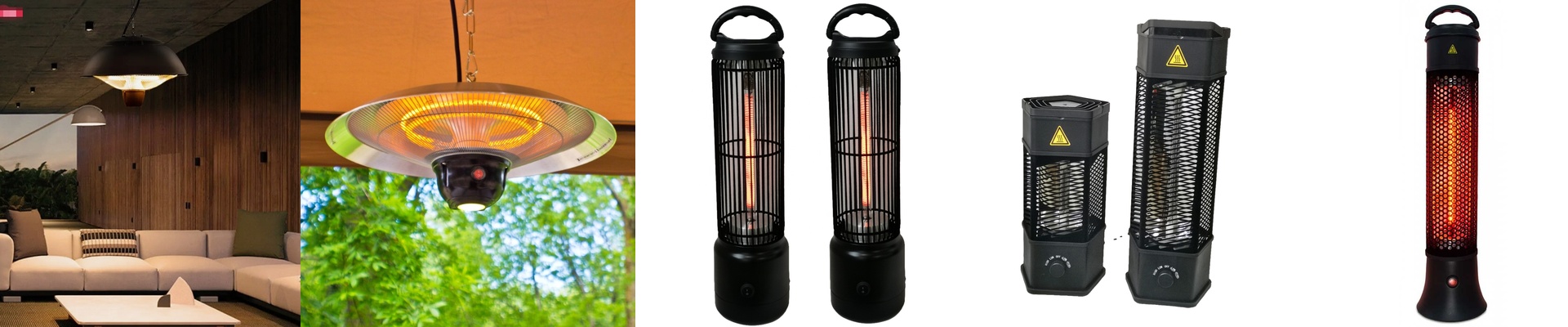
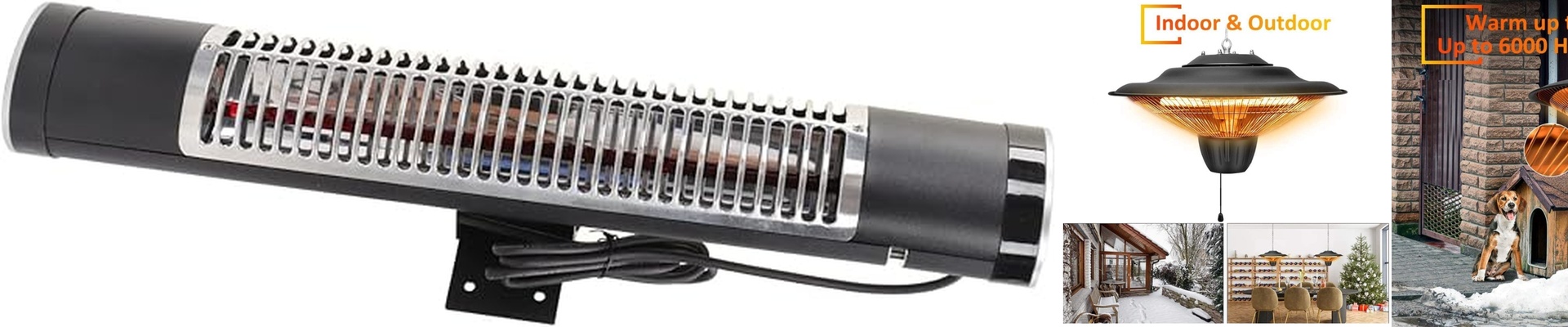
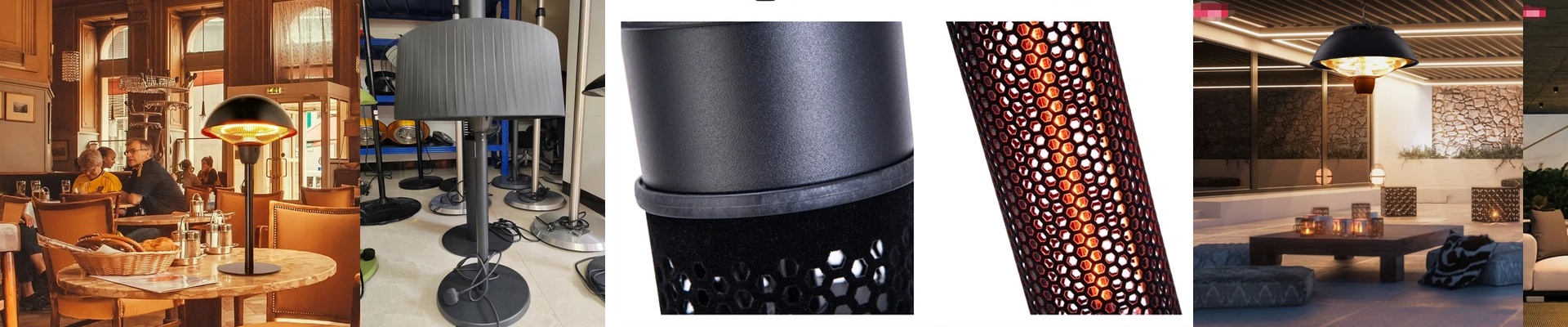
If you’ve ever tried to hang out under a pergola when the weather turns, you know the struggle. It gets chilly fast, and if it starts drizzling, you’re done for the night. We use shortwave infrared heaters for these setups. Why? Because they don’t waste time trying to heat the air—which just floats away the second a breeze hits. Instead, they heat you and your furniture directly. It feels like sitting in the sun, even when it’s freezing out.
The Nitty-Gritty Hardware
You can’t just plug these things into a standard extension cord and call it a day. Since we’re dealing with a lot of power, we use heavy-duty relays or smart controllers that won’t melt under the pressure. And since this is outdoors, water is the enemy. We only use IP-rated heaters that can take a rainstorm without shorting out. I always suggest reinforced cabling, too. It keeps moisture from sneaking into the terminals and ruining your weekend.
Getting the “One-Click” Feel
The goal is simple: you hit a button on your phone, and you’re warm. We link your smart home hub—whether you’re into Zigbee or Matter—to the power relay. The best part? There’s no waiting around. The moment that relay clicks, the infrared lamps hit full temperature. It’s instant. But here’s a word of caution: watch your power draw. If you hook up four 2000W heaters to one circuit, you’re going to trip your breaker and end up in the dark. We usually split the load across different phases or use high-amp controllers to keep everything stable.
The Trade-offs
Instant heat is great, but it puts a lot of stress on your electrical system. I always go with oversized wiring. It prevents voltage drops, which is a real pain if your control panel is far from the actual pergola. Also, a quick tip: just because the heaters are waterproof doesn’t mean the brains are. The smart controllers usually hate water. Keep them inside the house or tucked away in a NEMA-rated waterproof box, otherwise, corrosion will eat the boards alive.