

Stop Waiting on Your Heaters: Why Vacuum IR is a Win for Semi Processing
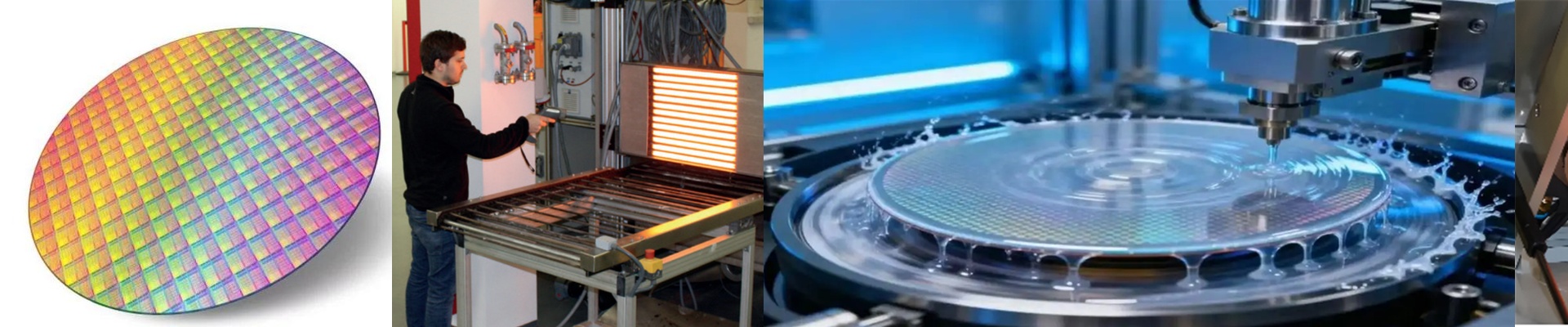
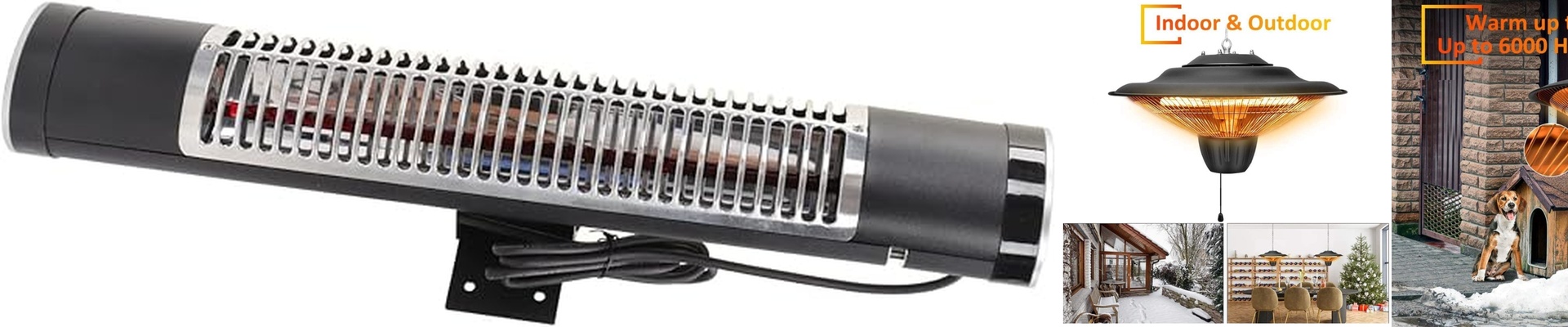
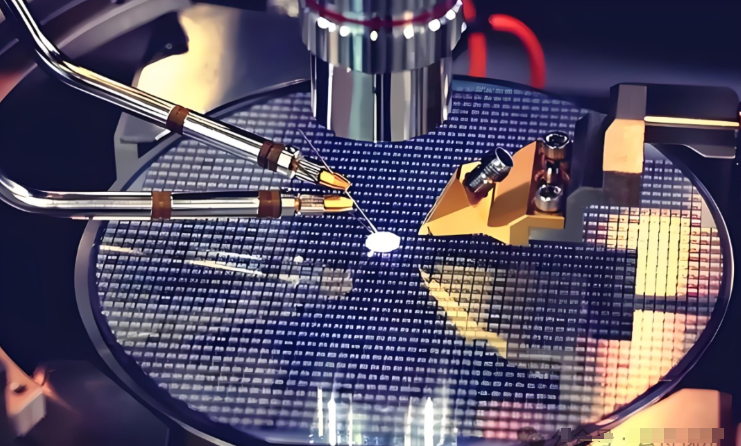
If you’re still relying on hot air circulation for semiconductor deep processing, you’re basically spending half your day just waiting. Switching to vacuum infrared (IR) heaters isn’t just a hardware swap—it’s a completely different way of getting energy into your wafer. The problem with hot air is the lag. Think about how it works. You heat the gas, the gas heats the chamber walls, and then—finally—the walls heat the part. It’s a slow chain reaction. In a vacuum, we throw that whole process out the window. We use IR lamps to shoot electromagnetic radiation straight into the substrate. No middleman. No waiting for the air to warm up. Your ramp-up time goes from minutes to seconds. For an engineer, that’s the best part. That annoying “waiting phase” of the thermal cycle just disappears. You hit your target temperature almost instantly, which means you’re pushing way more wafers through the door every hour. The tricky part: Vacuum integration. Building these heaters for a vacuum isn’t as simple as just turning off the fan. Outgassing is a nightmare. If your materials aren’t right, you’ll leak contaminants into the chamber and ruin everything. That’s why we stick to high-purity quartz and very specific filaments. It keeps the environment clean. But here’s the thing: you have to be careful with power density. Since there’s no air to carry the heat away from the lamp housing, things get hot.Really hot. If you go with a high-wattage array, your water-cooling jacket needs to be spot on. If that cooling loop glitches? Your lamp will burn out in a heartbeat. Speed vs. Precision Now, IR isn’t magic. It’s fast, but it’s directional. A hot air oven is like a warm blanket—it wraps the part in a uniform layer of heat. IR is more like a spotlight. If your lamp geometry is off or the spacing is wrong, you’ll end up with hot spots. You’re trading that “easy” uniformity for raw, unfiltered speed. But for most semiconductor transitions, that’s a trade worth making. The sheer amount of time you save per wafer makes the headache of optical alignment feel like a small price to pay.