

Stop Wasting Heat: Why Gold-Coated IR Actually Works
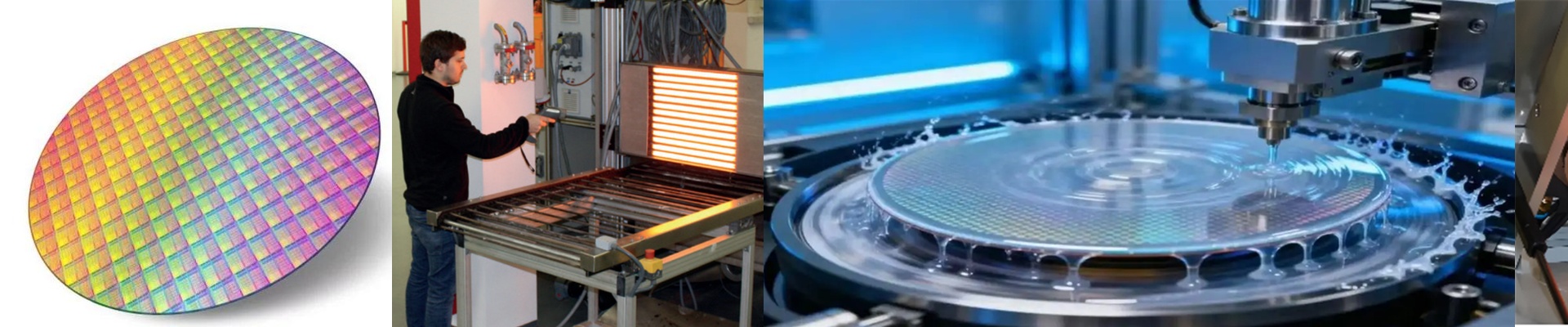
Let’s be honest—wasting energy in a clean room is just bad design. If you’re processing semiconductor wafers and your chamber walls are soaking up all the heat, you’re fighting a losing battle. Most standard reflectors just let the heat bleed out. That’s where gold comes in. Now, I know it sounds fancy, but it’s basic physics. Gold reflects infrared radiation way better than aluminum or stainless steel. Instead of heating up your housing, the heat actually goes where it belongs:right onto the wafer surface.
How we actually focus the energy
It all comes down to how we handle the IR waves. By adding a precision layer of gold to the reflector, we bounce those waves back toward the target without losing them along the way. The result? A high-density heat zone. You get more “effective watts” hitting the silicon without having to crank up the power draw. It’s not about adding more power; it’s aboutcontrolling where it goes.
The trade-offs (The “Gotchas”)
Here’s the thing: when you cram that much energy into a small space, you have to be careful about “thermal soak.” The gold coating is great for efficiency, but that concentrated heat can really stress your seals or sensors if your airflow isn’t dialed in. We build these systems for precise temperature ramps, but you’ve got to make sure your cooling manifolds can keep up with the load. If they can’t, you’re just moving the problem somewhere else.
Putting it into your tools
The best part is that these heaters are basically drop-in replacements for your standard IR arrays. Since the gold makes the radiation more effective, you can usually hit your process temperatures using lower wattage. Your clean room HVAC will thank you for reducing the overall heat load. And a quick tip: if you’re noticing uneven heating across a 300mm wafer, don’t blame the lamp first. Usually, it’s the reflector geometry or the coating wearing down. Take a look for any pitting or oxidation. Once the coating goes, your flux consistency goes with it.