
Keeping Your Class 100 Cleanroom Actually Clean
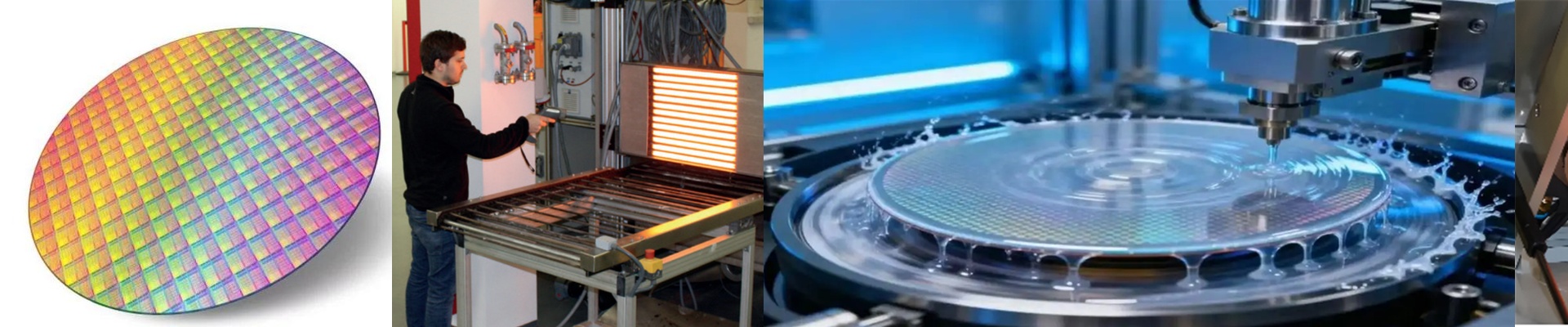
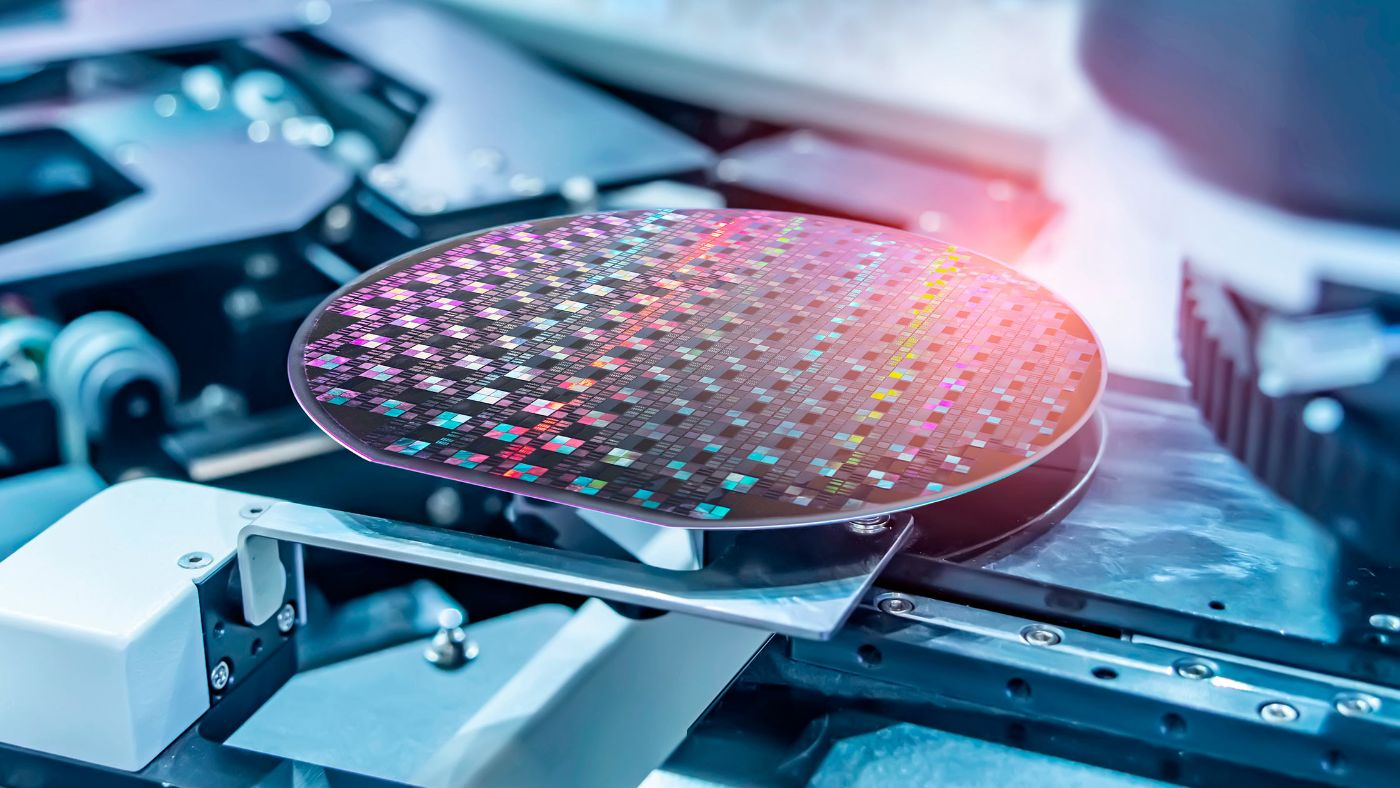
When you’re running a Class 100 cleanroom, heat is a tricky beast. It’s not just about getting the temperature right. It’s about the stuff you can’t see. Most heating elements are a nightmare in these environments. They shed tiny particles or leak organic compounds (VOCs) that can wreck a whole batch of pharmaceuticals or ruin a wafer in seconds. That’s why we lean on high-purity synthetic quartz infrared lamps, especially for those critical rinse and drying stages.
Why the quartz matters
We use fused silica with almost zero impurities. Why? Because standard glass tends to “smoke” or flake off when it heats up and cools down. Not great when you’re fighting for every single particle. This stuff can handle wild temperature swings without cracking. And for the rinse stations, we seal the ends with waterproof gaskets. It keeps the moisture out of the filament chamber so your lamps don’t just pop and die prematurely.
Heat without the wind
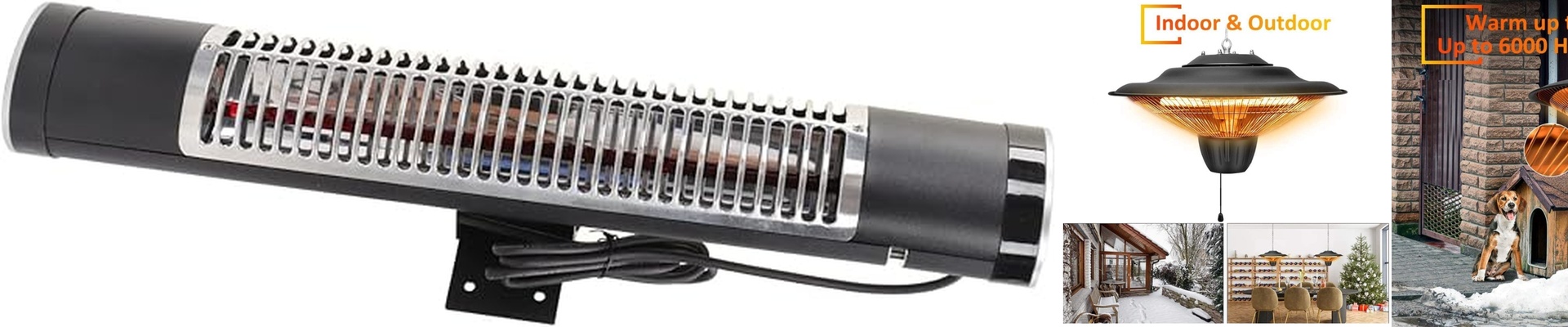
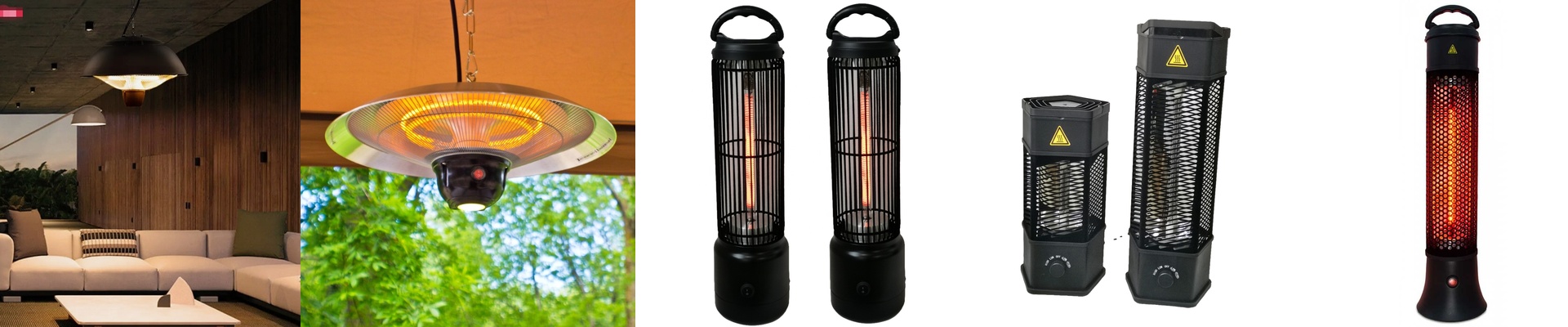
Here is the cool part: these lamps use direct radiation. Since the heat moves via photons instead of convection, you aren’t blowing air around the room. And as you know, moving air is basically a delivery system for dust. You can pick your wattage based on how much space you have. High-wattage tubes get things dry incredibly fast, but they put out a lot of raw heat. Just make sure your housing is vented or has a decent heat sink, otherwise, you might find your machine frame warping.
The practical side of things
We made these easy to swap. We use standard connectors, so you can just drop a new one in without having to rewire the whole rack. Plus, because they’re waterproof, you don’t have to worry about humidity causing a short. But a quick warning: quartz is fragile. If your techs touch the tubes with bare hands, the oils from their skin create hot spots. That’s a fast track to a failed lamp.**Always use lint-free gloves.**It takes two seconds, and it saves you a lot of headache later.