
Why we’re switching to IR Curing for Lead-Free Chips
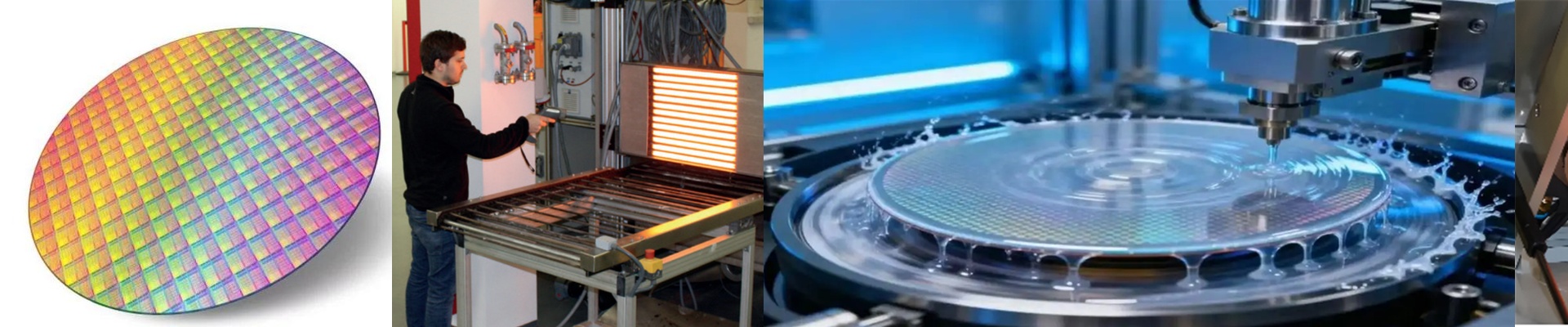
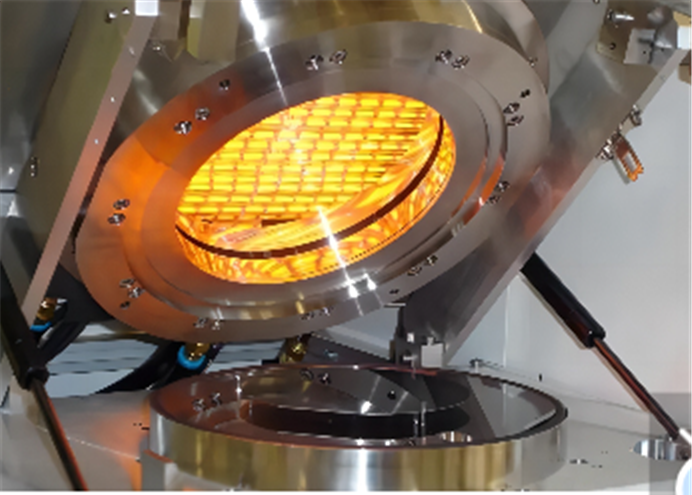
The semiconductor world is finally moving away from those old, clunky thermal ovens and solvent-based drying. Honestly, it’s about time. We’ve been swapping out traditional convection heating for digital infrared (IR) dryer controllers. The big difference? IR uses radiation instead of just blowing hot air around. It’s a cleaner way to work, and it’s a huge part of how we’re actually making the process “green” and lead-free. The way it actually works Think about a standard oven. It heats the air, and then that air eventually heats your substrate. It’s slow. It wastes a ton of power. Plus, you’re basically inviting airborne dust and particles to land right on your wafer. IR is different. The lamps send out electromagnetic waves that hit the solvent or curing agent directly. It’s like a heat-seeking missile. Everything ramps up faster. You get a deep heat soak exactly where you need it, without turning the entire machine chassis into a space heater. Your electricity bill thanks you. Getting the precision right Now, you can’t just flip a switch on an IR lamp and walk away. If you do, you’ll probably char your photoresist or fry some delicate circuitry. That’s where the digital controllers come in. We use them to manage the power curve so we don’t “overshoot” the temperature. By tweaking the power output, we keep the heat in a very tight window. It’s a relief, really—way fewer ruined parts and a lot less scrap in the bin. The trade-offs It’s not all magic, though. By ditching the VOC-heavy chemicals and ozone-generating UV lamps, we’re definitely cutting down the carbon footprint. But here’s the catch: the heat density is intense. Because the heat is so localized, those lamps get incredibly hot. If you don’t get your exhaust and cooling systems dialed in, you’re going to burn through your lamps way faster than you should. You have to plan for that thermal load. Where this fits in We’re seeing this work great for adhesive bonding and curing solder paste. Since there’s no combustion or solvent-based heating involved, the heat source itself is clean. No lead, no mess. It’s just a straightforward, cleaner way to replace those old-school thermal tunnels.