
Stop Fighting the Ceiling: How to Actually Heat Large Changing Rooms
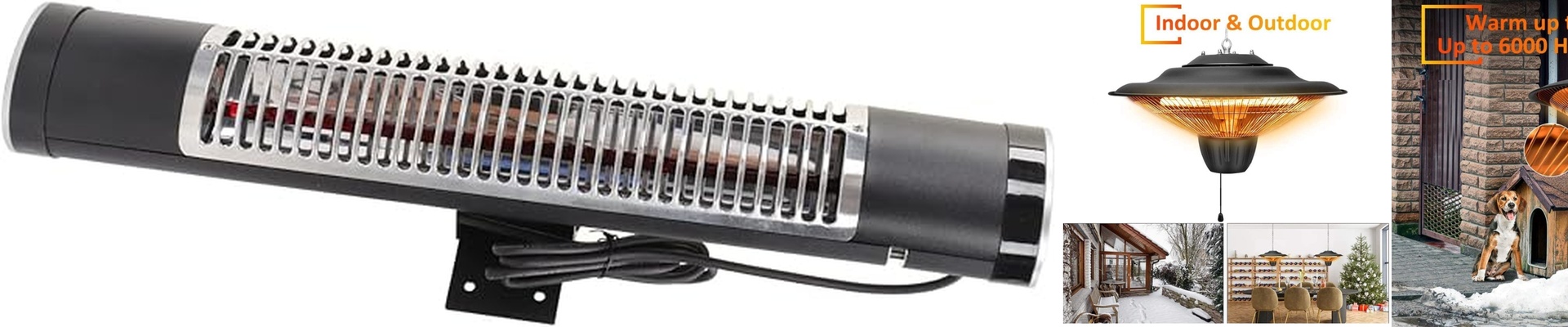
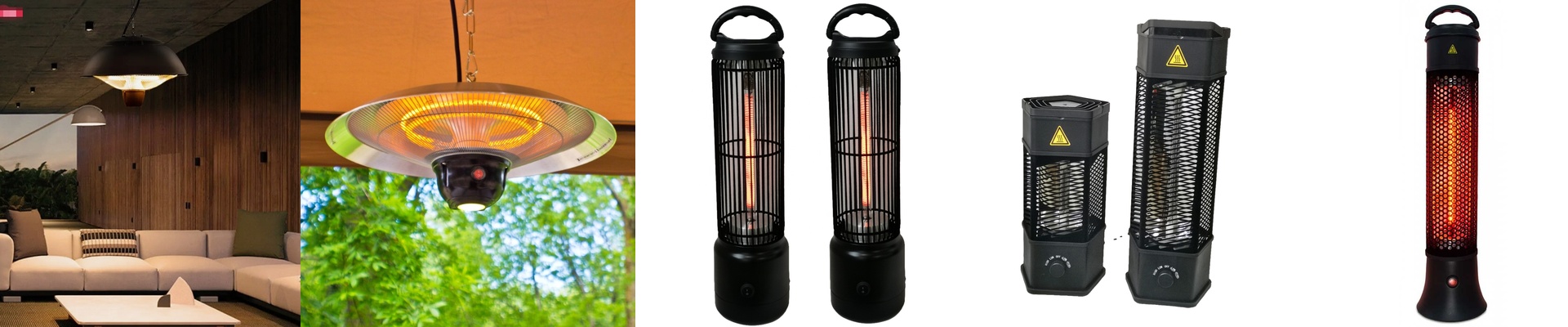
If you’ve ever tried to heat a room with high ceilings, you know the struggle. You crank up the forced air, but the heat just floats straight to the top and hangs out there. Meanwhile, the people on the floor are still shivering. It’s a losing battle. The trick is to stop trying to warm the air and start warming the people. That’s where short-wave infrared comes in. The secret is in the radiation. Think of it like the sun. You can feel the sun’s warmth on your skin even on a freezing winter day. Infrared emitters do the exact same thing. They send waves of heat that travel at the speed of light, ignoring the air entirely. They only stop when they hit something solid—like a person or a wooden bench. Because the heat doesn’t “leak” upward, it’s perfect for those cavernous ceilings. You feel the warmth almost instantly. Getting the gear right To make this work, we use high-wattage quartz elements. You need a lot of power packed into a small space to push that heat down a 5 to 8-meter drop. One heads-up: check your electrical panels first. When a bank of these heaters kicks on, they pull a massive amount of current. You don’t want to trip your breakers the moment the room gets busy. Don’t just “wing” the installation You can’t just bolt these to the ceiling and call it a day. If you put them too close together, the people standing right underneath are going to feel like they’re in an oven. Too far apart? You’ll end up with “cold strips” where people are still freezing. We spend a lot of time mapping out the heat footprint to make sure the warmth is even across the whole room. And please, be careful with your wiring. These emitters get incredibly hot. If you use standard PVC wire, the insulation will melt, and you’ll have a short circuit on your hands. Stick with silicone-coated or fiberglass-braided wiring for anything near the housing. It’s a small detail, but it’s the difference between a cozy room and a fire hazard.