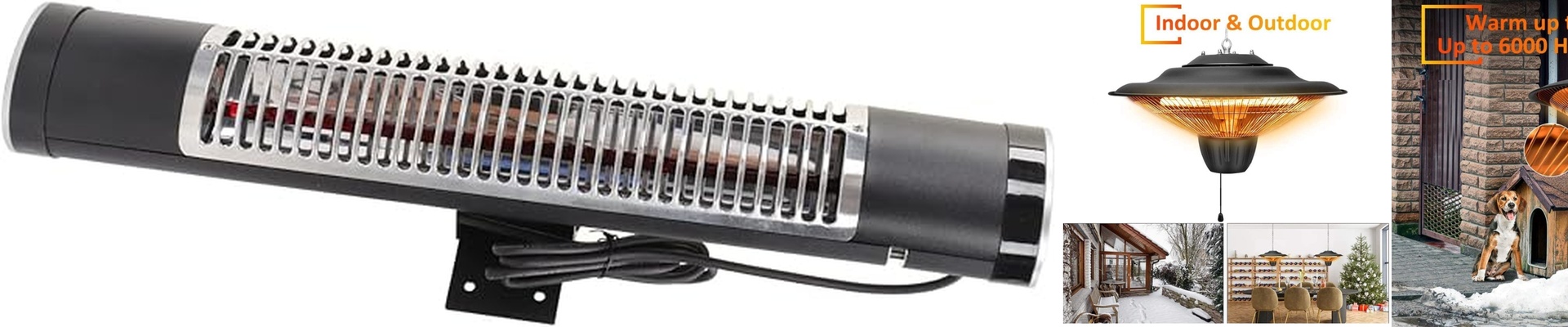

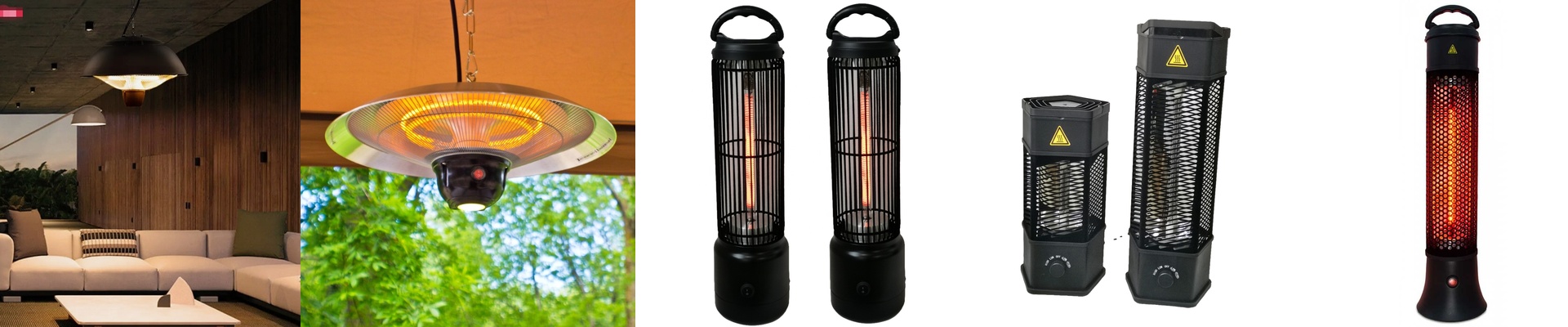
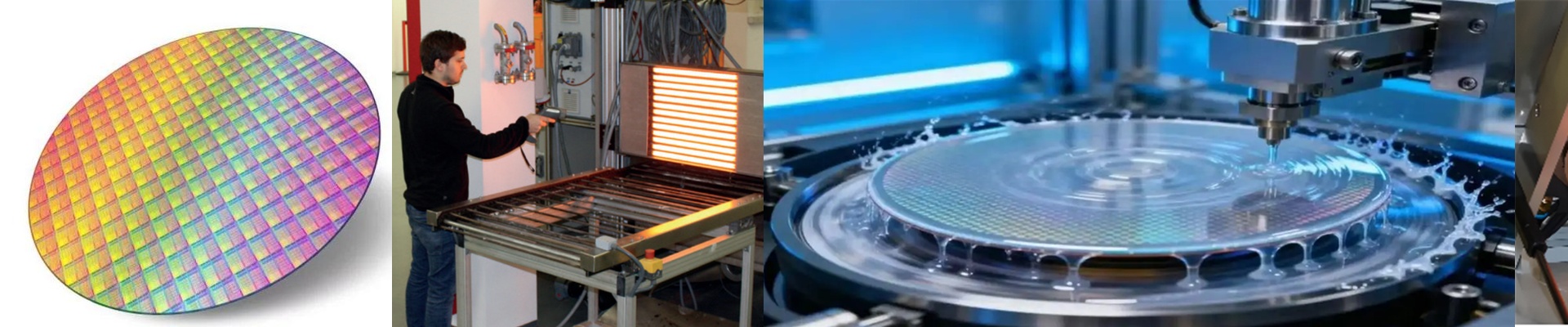
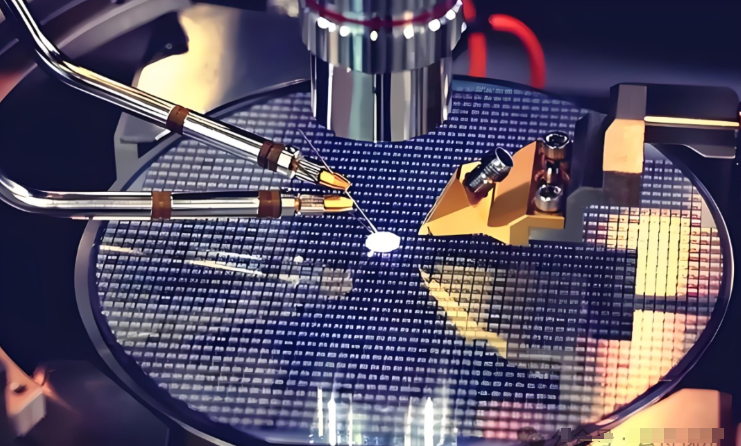
On the fab floor, a 2°C swing during the photoresist bake is enough to torpedo a whole lot of work. Certified infrared curing lamps take that risk off the table, delivering repeatable heat exactly where you need it—wafer drying, photoresist soft bake and hard bake, packaging underfill cure, and cleaning dry all have to hit a tight thermal budget. What matters, technically These lamps lean on near-infrared (NIR) sources, tuned so the heating is fast and volumetric, with tight control over the spectrum. You end up with wafer-level temperature uniformity within ±0.1°C across the bake zone, which is what gives you real control over linewidth and keeps yield from slipping. They’re built for cleanroom Class 1–100 from the start: low-outgassing materials, sealed quartz/halogen assemblies, and particle containment that keeps counts where they need to be. Zero particle generation isn’t a talking point—it’s a design requirement. The system runs 24/7 with high MTBF, and output stays stable over thousands of hours, so unplanned downtime doesn’t end up on your calendar. Why this works in practice In lithography, you need a soft bake you can count on to set viscosity and adhesion, then a hard bake that drives out solvent without skinning the resist. In packaging, underfill and encapsulant cure have to hit that glass transition window fast, without warping the assembly. And in cleaning and drying, residual moisture is the one thing you can’t tolerate. Our NIR lamps cut cycle time while keeping you inside the process window. Energy use drops because heat is delivered on demand, not bleeding through idling hotplates. And repeatability holds lot-to-lot, so rework and scrap stop piling up. Here are the realities you need to plan for NIR cure is line-of-sight. Substrate geometry, reflectivity, and absorptivity all shift how much power gets absorbed, so we size lamp power and tune the spectral profile to your film stack and carrier. Expect a modest footprint increase compared with hotplates to cover the full wafer, and plan for cleanroom-rated electrical and thermal integration. Once the system is matched, the process window is narrow—and that’s exactly the point.