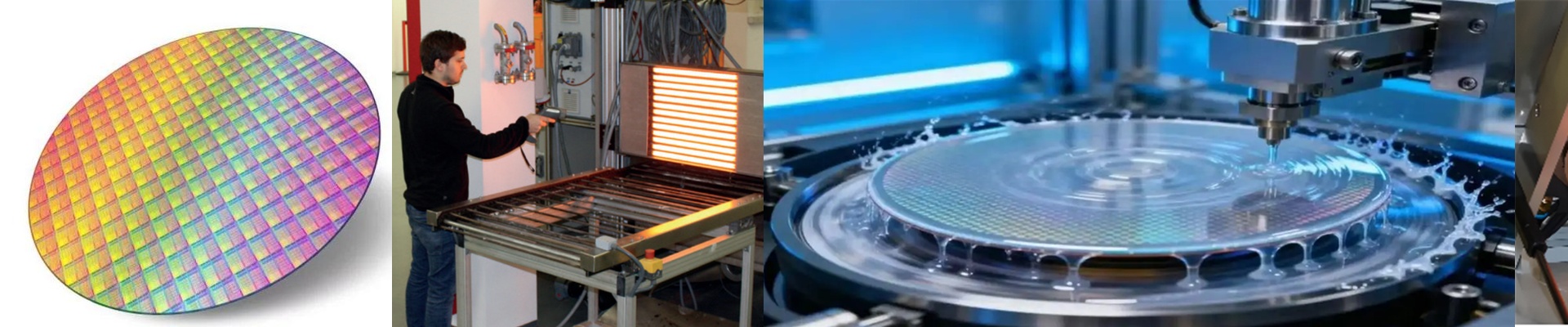
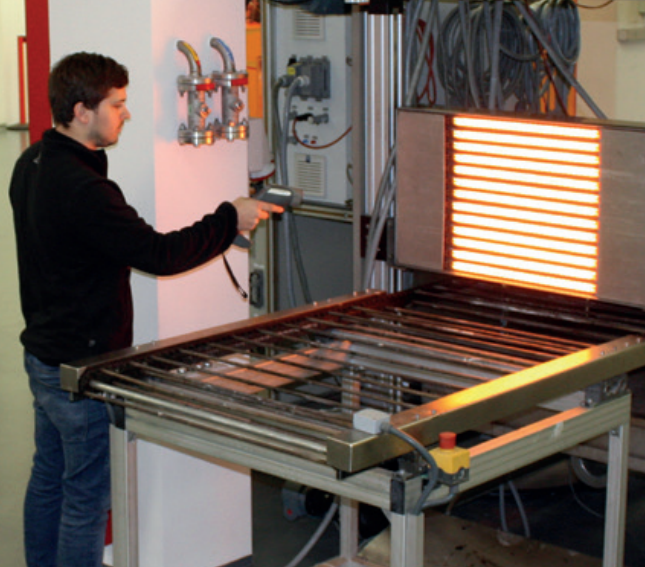
On the lithography floor, soft bake temperature drift is the quiet yield killer you don’t see until CD-SEM starts complaining. A 0.5°C variance across the wafer and your critical dimension control slips right through your fingers. We built our infrared soft bake lamp to shut that drift down at the source.
What matters under the hood
We run short-wave infrared emitters with fast-response quartz elements, so heating is rapid and stays localized. Thermal lag? Minimal. For photoresist soft bake, we hold wafer-level uniformity at ±0.1°C across the process zone, and setpoint repeatability stays within ±0.5°C from batch to batch. The output is tuned to the photoresist thermal budget—no overshoot, no underbake—and we keep particle generation at zero. The lamp head fits Class 1–100 cleanrooms, and the thermal profile is validated against international semiconductor equipment standards. It’s a drop-in approach that’s proven in the fab.
Why it plays in production
Stable critical dimension performance is what you get, and that means fewer rework lots. Fast thermal settling cuts the bake cycle without compromising the profile, so throughput improves. Energy use drops because the heat goes where it’s needed, not into heating the chamber walls. Reliability is baked in, literally. Units run 5,000+ hours with less than 5% output drop, so you can keep the line moving around the clock and cut unplanned interventions.
The practical details
Installation comes down to matching the lamp footprint and interface to your existing track or coater/bake module. Expect a bit of mechanical and electrical integration—nothing major, but plan for it. Commissioning takes a short window to align the thermal recipe with your photoresist stack and substrate stack. Once you’re calibrated, the process window stays tight. And it stays tight.