

Getting Heat Right Without the Mess in Biosensor Fabrication
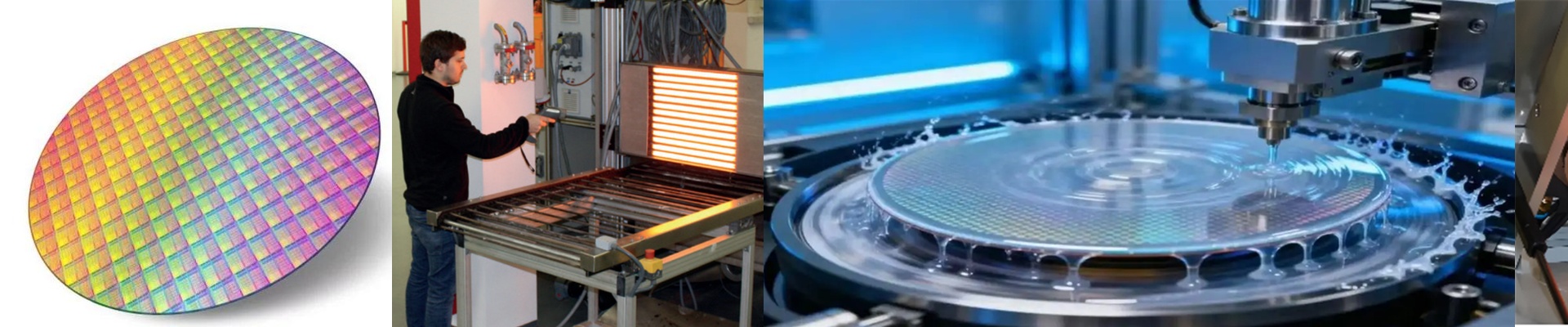
If you’ve ever worked in a Class 100 cleanroom, you know the stress. One tiny flake of dust or a weird chemical smell in the air, and your entire batch of sensors is trash. It’s frustrating. The problem is that most heating elements aren’t built for this. They “off-gas” or shed microscopic particles right when you need them to be cleanest. That’s why we switched to high-purity synthetic quartz infrared lamps.
Why the Quartz Matters
Here is the thing about standard glass or cheap quartz: they leak. When they get hot, they release volatile organic compounds (VOCs) into your workspace. Not exactly what you want when you’re building a precision biosensor. We use fused silica that’s stripped of those impurities. We also scrub the tubes to make sure there isn’t a single bit of residue left on the surface. You just get pure, radiant heat. No airborne junk, no ruined batches.
Keeping Things Consistent
Inside the lamp, there’s a tungsten filament sitting in a vacuum or a halogen-filled envelope. The halogen does a clever little trick—it pushes the tungsten back onto the filament so the walls don’t turn black. Why does that matter? Because black walls mess with the light spectrum. If the heat isn’t hitting your substrate evenly, your sensors won’t behave. One quick tip:**don’t rush the power-up.**If you crank the heat too fast, you put a lot of stress on the seals where the quartz meets the metal. Just ease into it. It keeps the vacuum tight and the lamp happy.
Fitting Them In
These lamps are designed to just slide right into your existing jigs. We spent a lot of time on the mechanical fit because we didn’t want any friction creating dust during installation. But a word of caution: these things put out a lot of intensity. Make sure your chassis can handle the heat load. And check your cooling fans. If they’re unbalanced, they’ll just kick up floor dust and undo all the hard work of using a high-purity lamp. When it all clicks, you get a heat source that stays stable and clean, leaving your sensor’s active layer exactly how it should be.