

Getting the Most Out of Your Heat for CNT Fabrication
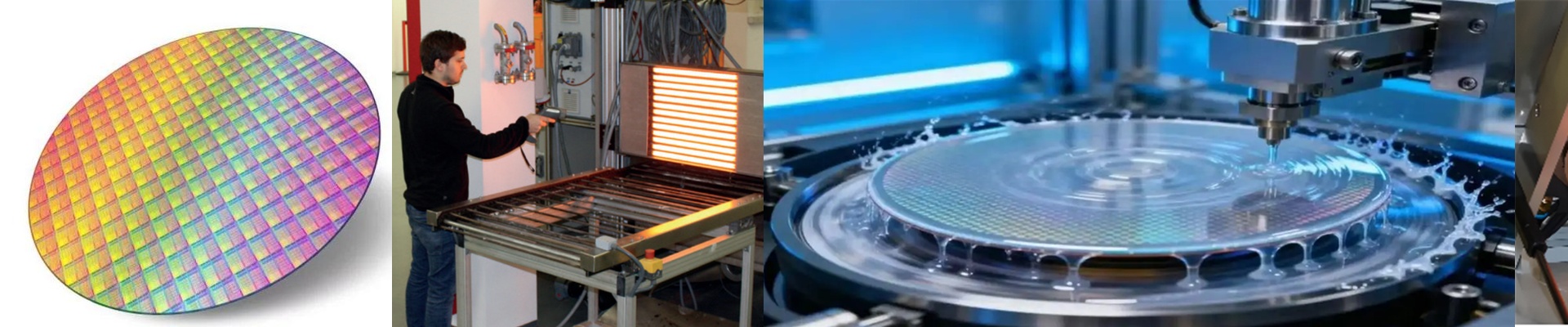
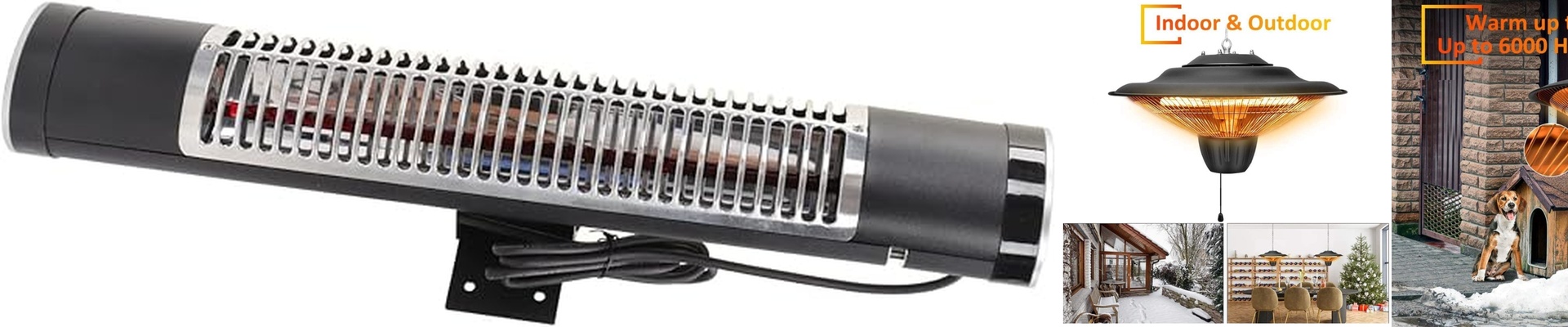
If you’re growing carbon nanotubes on wafers, you already know the struggle. You need insane heat density, but you need it to be precise. There’s nothing worse than wasting power or, even worse, having that energy bleed into your machine’s chassis instead of hitting the wafer. That’s why we use gold-coated reflectors. Why gold? It sounds fancy, but it’s actually just practical physics. Most standard reflectors soak up too much energy. Gold, however, is a beast when it comes to bouncing infrared radiation. By lining the chamber with it, we’re essentially trapping photons and forcing them back toward the target. The result? You get a focused zone of heat. You don’t have to crank up the wattage on your power supply to get the job done; you just stop wasting the heat you already have. The battle against “cold spots” In CNT growth, consistency is everything. If your temperature gradient is off, you end up with a nanotube forest that grows unevenly. It’s a nightmare. Gold reflectors help smooth those variances out. But here’s the trick: you have to get the geometry right. If the reflector curvature doesn’t match the lamp’s focal point, you’ll end up scorching the edges of your wafer. It’s all about that balance. The trade-offs (because nothing is perfect) Now, there is a catch. Gold is soft. It scratches. It can oxidize if the chamber gets dirty. And please, for the love of your hardware,do not use abrasive cleanerson these surfaces. One deep scratch isn’t just an eyesore—it actually distorts the radiation pattern. One last tip: if you’re switching to this setup, keep an eye on your ramp-up speed. Since the gold makes your heat delivery so much more efficient, your old thermal profiles are probably going to run way too hot. You’ll want to use a closed-loop PID controller and recalibrate your power settings. Otherwise, you’re just asking to burn out your substrate.