
Stop Turning Your Machine Chassis Into a Space Heater
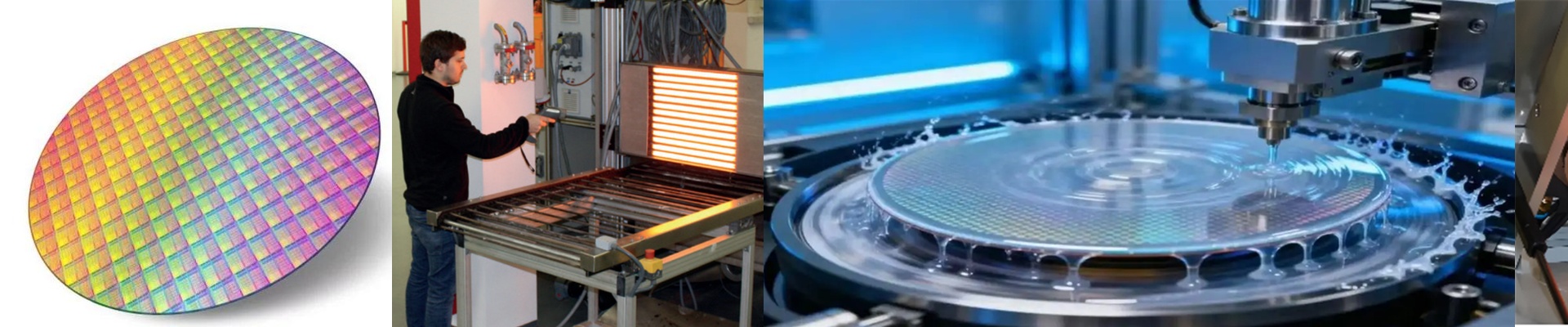
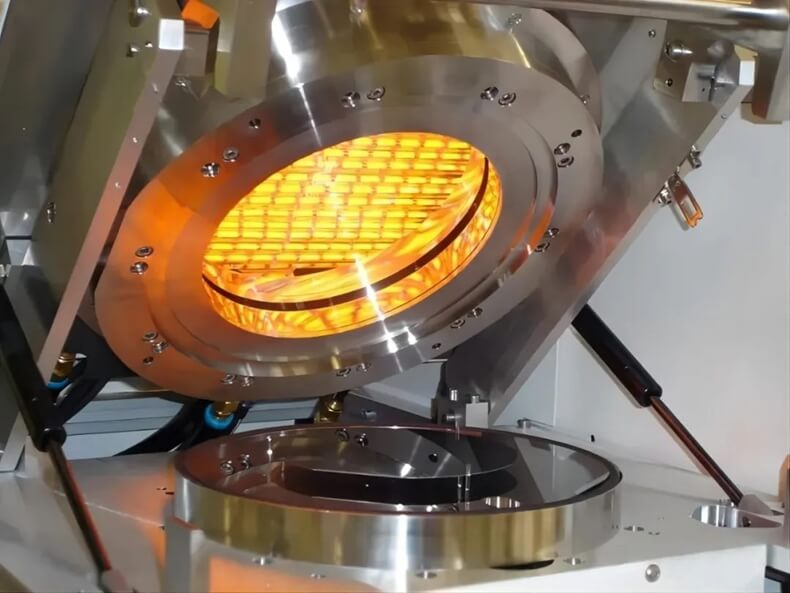
Ever open up a piece of semiconductor gear and feel a wall of heat hitting you in the face? That’s the problem with standard infrared heaters. They throw energy in every single direction—360 degrees of heat. In a tight housing, that’s a disaster. You get this “ghost heating” effect where the inner walls of the machine get hot enough to burn someone, but the wafer you’re actually trying to heat isn’t getting nearly enough juice. It’s a waste of power and a safety headache. We use carbon fiber IR lamps to put a stop to that. Putting the heat where it actually belongs Here’s the thing about carbon fiber filaments: they let us concentrate the thermal load. Traditional quartz heaters just bleed heat everywhere. But these lamps are built for directional emission. We point the infrared energy straight at the target. The energy hits the workpiece, not the equipment frame. You stop paying to heat the air and the machine’s skin. It just makes sense. Better safety, smaller footprint When you actually wire these in, you’ll see the difference immediately. The heat density at the focal point is way higher. Because of that, you can actually shrink the size of the heater. And since the lamp isn’t dumping heat into the rest of the chassis, your cooling fans don’t have to scream at full blast all day. The inner walls stay cool to the touch. That’s a win for everyone. The catch (because there’s always one) Now, you can’t just toss these into any old rig and expect them to work. Directional lamps are picky about alignment. If your mounting bracket is off by even a few millimeters, you’re going to miss your target zone entirely. Plus, you’ve got to make sure your power supply can handle the specific ramp-up curve of carbon fiber. They don’t react the same way halogen tubes do, so check your specs before you flip the switch. But once you’ve got it dialed in? Your substrate ramps up faster, and your machine stops acting like a giant radiator.