
Why we put our IP55 heaters through the “damp-heat” ringer
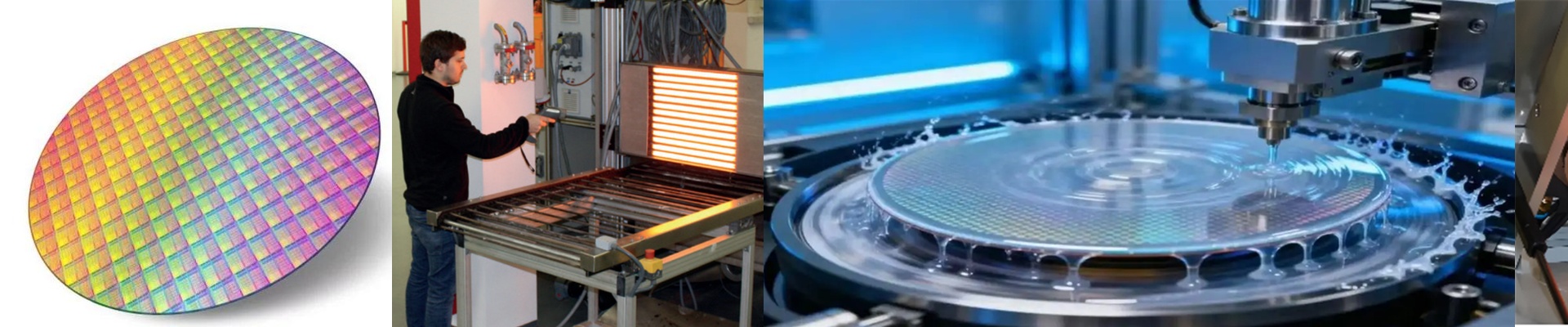
Bathrooms are basically torture chambers for electronics. You’ve got thick steam, wild temperature swings, and the occasional direct splash of water. Now, our heaters are IP55 rated. In plain English, that means they’re built to keep out dust and handle low-pressure water jets. But here’s the catch: a seal that works perfectly on day one might decide to quit on day 100. That’s why we don’t just trust the specs. We put every batch through damp-heat aging tests. The reality of wearing down We toss these units into chambers that mimic years of steam and humidity. We aren’t just checking if the heater turns on. We’re looking for the exact moment the seals give up. Gaskets can shrink. They can get brittle. And the second a tiny gap opens up, moisture creeps in and hits the wiring or the lamp terminals. That’s how you get oxidation or a nasty short circuit. We keep pushing the units until something actually breaks. It’s the only way to know they’ll last. The “breathing” problem Infrared lamps get incredibly hot. When you wrap that heat inside a waterproof IP55 shell, you create a pressure difference. As the heater warms up and cools down, the air inside basically “breathes.” It expands and contracts, which can actually suck moist air right through the seals. Our tests make sure the housing can handle that constant tug-of-war without the waterproof barrier cracking. The trade-off Keeping water out means we can’t have wide-open vents. It’s a bit of a balancing act. Since there’s less airflow, the guts of the heater run hotter than they would in an open-air model. To fix that, we use internal wiring with much higher temperature ratings. We make sure the wires can handle the heat so they don’t fry while they’re trapped in that waterproof shell. At the end of the day, a datasheet is just a piece of paper. We’d rather rely on our failure rates in the lab so you don’t have to deal with a heater shorting out in a customer’s shower.