
Why we’re ditching forced air for IR in semiconductor trolleys
If you’ve spent any time in a legacy cleanroom, you know the drill. You’re using those old-school trolleys that rely on blowing hot air around to keep wafers at the right temperature. The problem? It’s slow. Forced air depends on convection, which is basically a polite way of saying you have to sit around and wait for the air to eventually warm up the substrate. In a high-stakes processing line, that lag isn’t just annoying—it’s expensive.
The real difference: IR vs. Convection
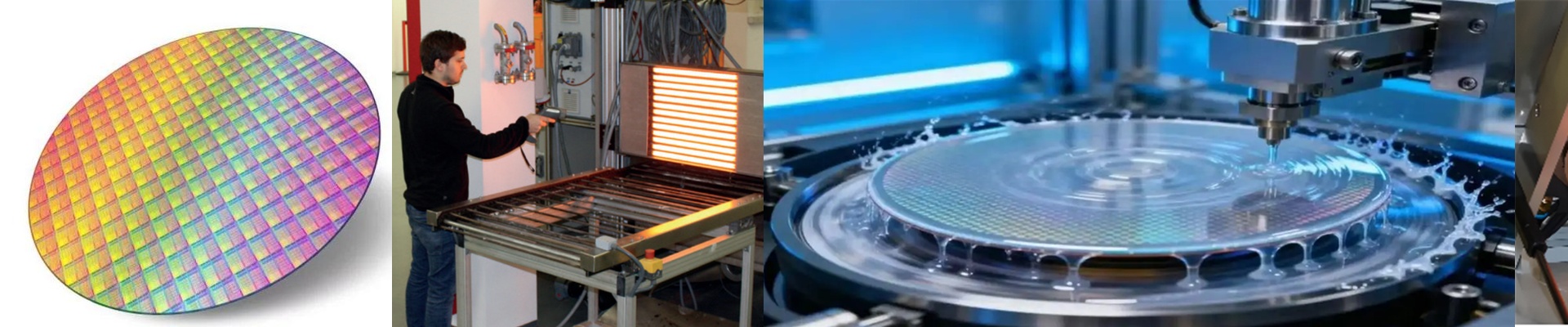
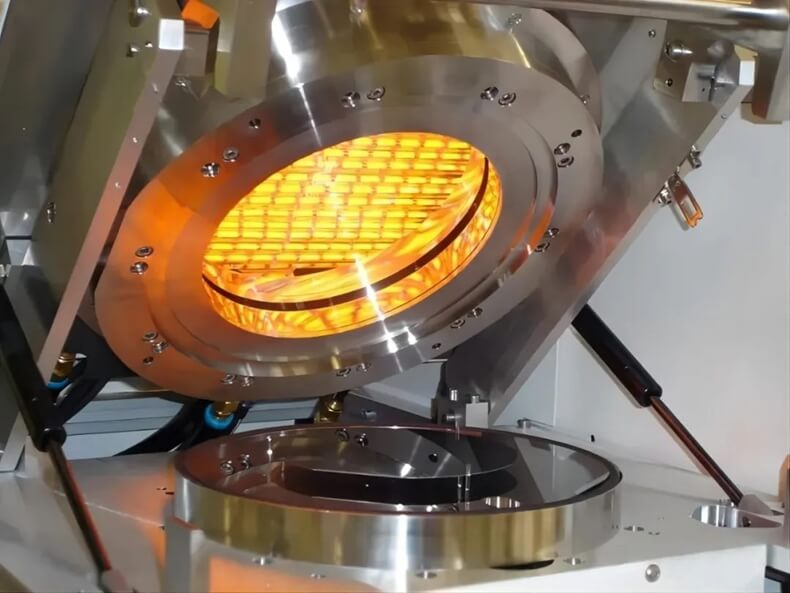
Here’s the thing about Infrared (IR) heating: it doesn’t bother with the air. It just hits the target directly with electromagnetic radiation. We use short-wave IR lamps in these trolleys because they trigger a thermal response almost instantly. You get a ramp-up that feels immediate. Plus, forced air systems are constantly fighting the cleanroom’s HVAC system, which is trying its best to cool everything down. IR doesn’t play that game. It focuses the energy right where it needs to go. This means you can move wafers between process steps without that dreaded thermal dip during transit.
The tricky part (and how to handle it)
Now, you can’t just rip out a heater and slap in an IR lamp and call it a day. You have to get the power density right. High-wattage lamps pack a ton of heat into a tiny space. If the distance between the lamp and the wafer is off by even a bit, you’ll end up with localized hotspots. Not great. To keep things steady, we suggest using PID controllers. Without precise timing, you risk hitting the silicon with too much heat too fast, which can cause thermal shock. And don’t forget the trolley itself—you need a chassis that can take the radiant heat without warping or tripping the cleanroom alarms.
What this actually does for your output
More and more high-volume fabs are making the switch to IR because it just makes sense. You stop fighting the laws of physics and start working with them. When you kill that warm-up lag, your wafers-per-hour number goes up. It’s a simple trade: you get rid of the clunky air-handling mess and replace it with precise, radiant energy.