


Stopping the Energy Bleed in Semiconductor Heating
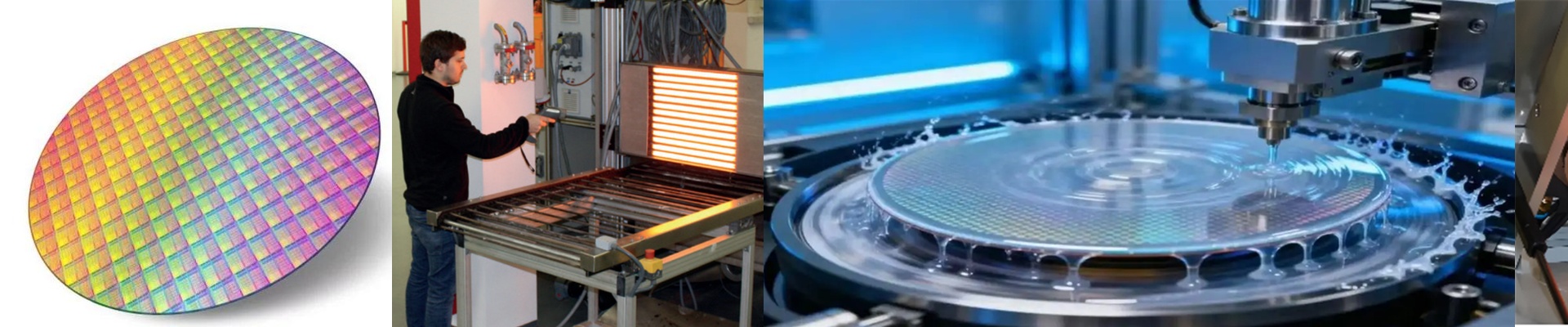
Let’s be honest: semiconductor fabrication is a game of extreme precision. But for a long time, the way we’ve handled heat has been… well, wasteful. Most traditional resistive furnaces basically try to heat up everything in the room just to get the wafer to the right temperature. It’s like turning on every heater in your house just to warm up a single cup of coffee. We’ve found a better way. By switching to Ultra High Purity (UHP) infrared lamps, we can stop heating the air and start heating the target. It’s targeted, radiant heat. Simple, and it seriously slashes the energy bill for the cleanroom.
Why UHP Heat Actually Works
Here is how it works under the hood. These lamps push current through a tungsten filament wrapped in a high-purity quartz envelope. We specifically tune them for short-wave infrared emission. Why short-wave? Because it punches through substrates way faster than long-wave heat. You get a rapid ramp-up. It’s fast. Really fast. And that means you’re using fewer kilowatt-hours per wafer. Now, the “Ultra High Purity” part isn’t just marketing speak. In a fab, one tiny piece of stray metal or a bit of outgassing can ruin an entire batch. We strip the impurities out of the quartz so you aren’t scrapping expensive wafers because of a dirty lamp.
The Real-World Trade-offs
Of course, nothing is magic. High-wattage UHP lamps pack a massive punch of heat density. That’s great for speed, but it puts a real strain on your power distribution. If you’re running high-voltage arrays, you’ll want to make sure your transformers can handle that initial surge of current when things kick on. To keep these things from burning out, we use halogen cycles. Basically, the halogen gas pushes evaporated tungsten back onto the filament. It keeps the lamp alive longer. You’re trading a slightly more complex gas fill for the luxury of not having to swap out lamps every few weeks.
Cleaning Up the Carbon Footprint
The best part is “zone heating.” Instead of heating the surrounding steel and the entire chamber, you only heat the wafer itself. You’re dealing with much less thermal mass. That means you spend less energy getting to operating temperature, and you stop leaking heat into the ambient environment. It’s a straightforward way to hit those green factory goals without slowing down your throughput. It just makes sense.