
Why we put our bathroom lamps through “hell” before they reach you
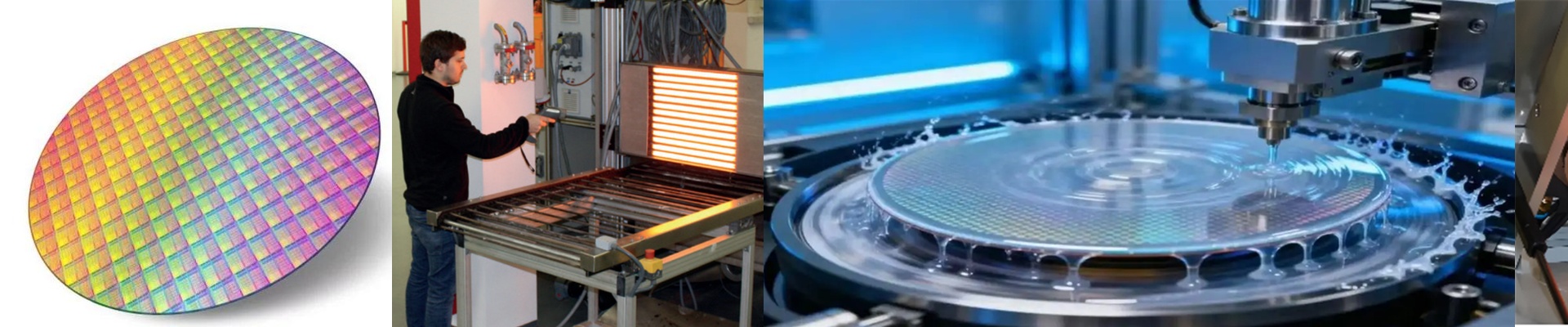
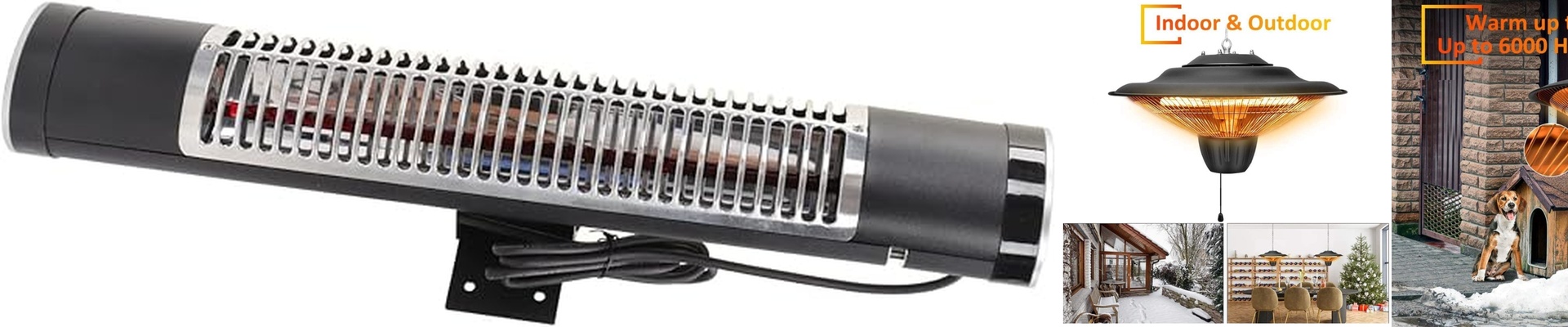
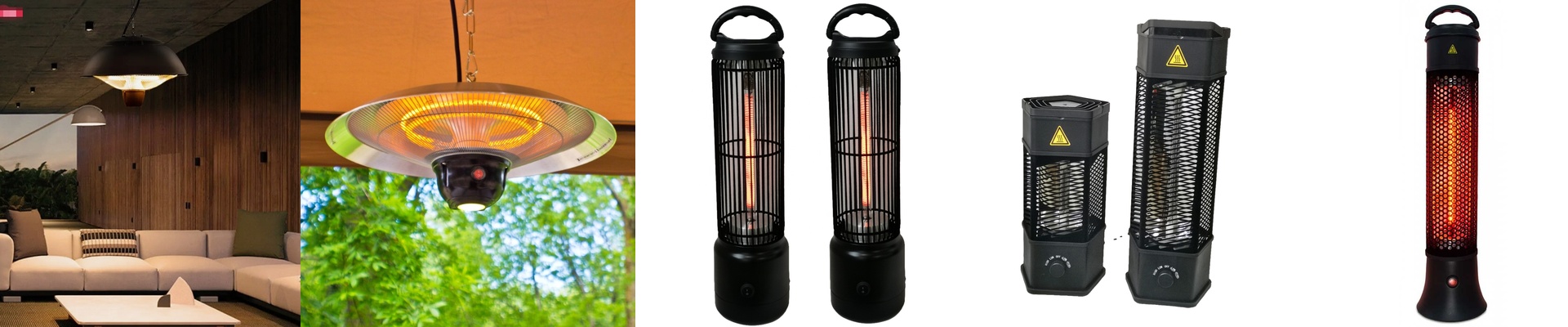
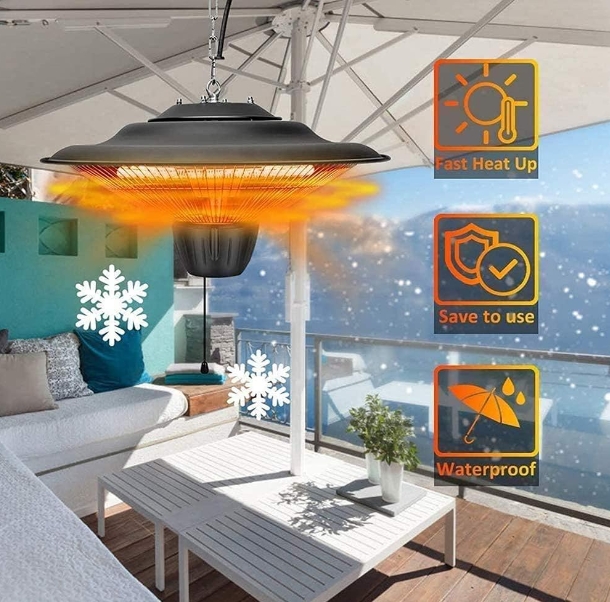
Bathrooms are honestly a nightmare for heating elements. You’ve got thick steam, wild temperature swings, and water vapor hitting everything. When we talk about an IP44 rating, it’s not just some technical jargon we slap on a box to look professional. It’s about making sure the thing actually works when your bathroom turns into a sauna. Here’s the thing about moisture: it’s sneaky. An IP44 rating keeps out splashes and big bits of dust, but vapor is a different story. Those tiny water molecules find a way in. They seep through seals, find the circuitry, and start causing oxidation. Once that happens, you get resistance. Then comes the flickering. Then, the filament just gives up and burns out. We’ve all had that one appliance that died right after the warranty ended. We’re trying to make sure that doesn’t happen here. So, we use damp-heat aging chambers. Basically, we simulate years of steamy showers and cold mornings in just a few weeks. We crank up the heat and humidity, then kill the power and let them cool down fast. That cooling process creates a vacuum. It literally sucks moist air into the housing. If a seal is even a little bit weak, it fails right then and there. We check for corrosion and make sure the electrical paths are still clean. It’s the only way we can sleep at night knowing the lamp won’t short out six months after you’ve installed it. But there’s a trade-off. To keep the water out, we have to seal these units tight. The downside? The heat gets trapped inside. Because of that, you’ve got to give the fixture some room to breathe in your ceiling. If you cram it into a tight spot without enough clearance, you might trip the thermal cutout when it’s freezing outside and you’re running it on high. We build these things to last a lifetime, but they still need a little bit of air to do their job. Just stick to the spec sheet during installation and you’ll be golden.