
Why Your Smart Fab Needs Infrared (And Why Old-School Heating is Killing Your Efficiency)
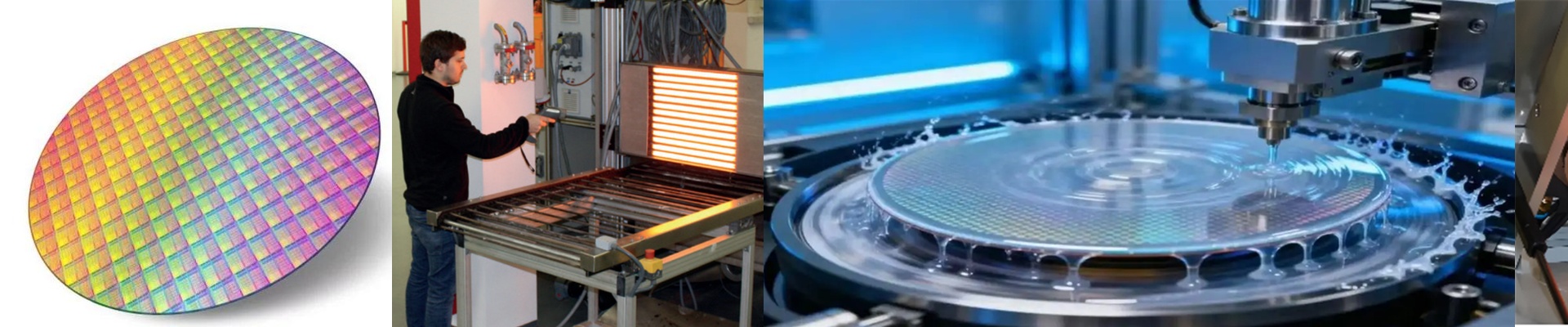
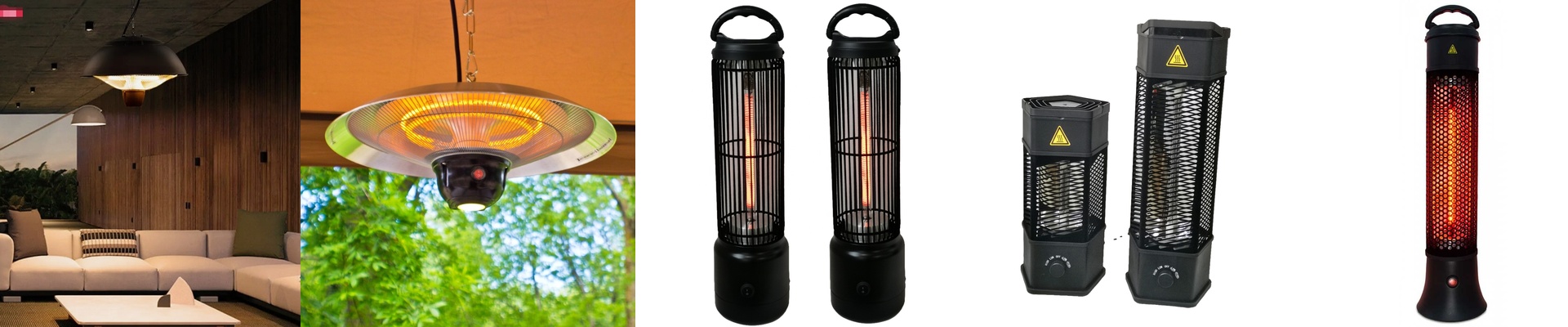
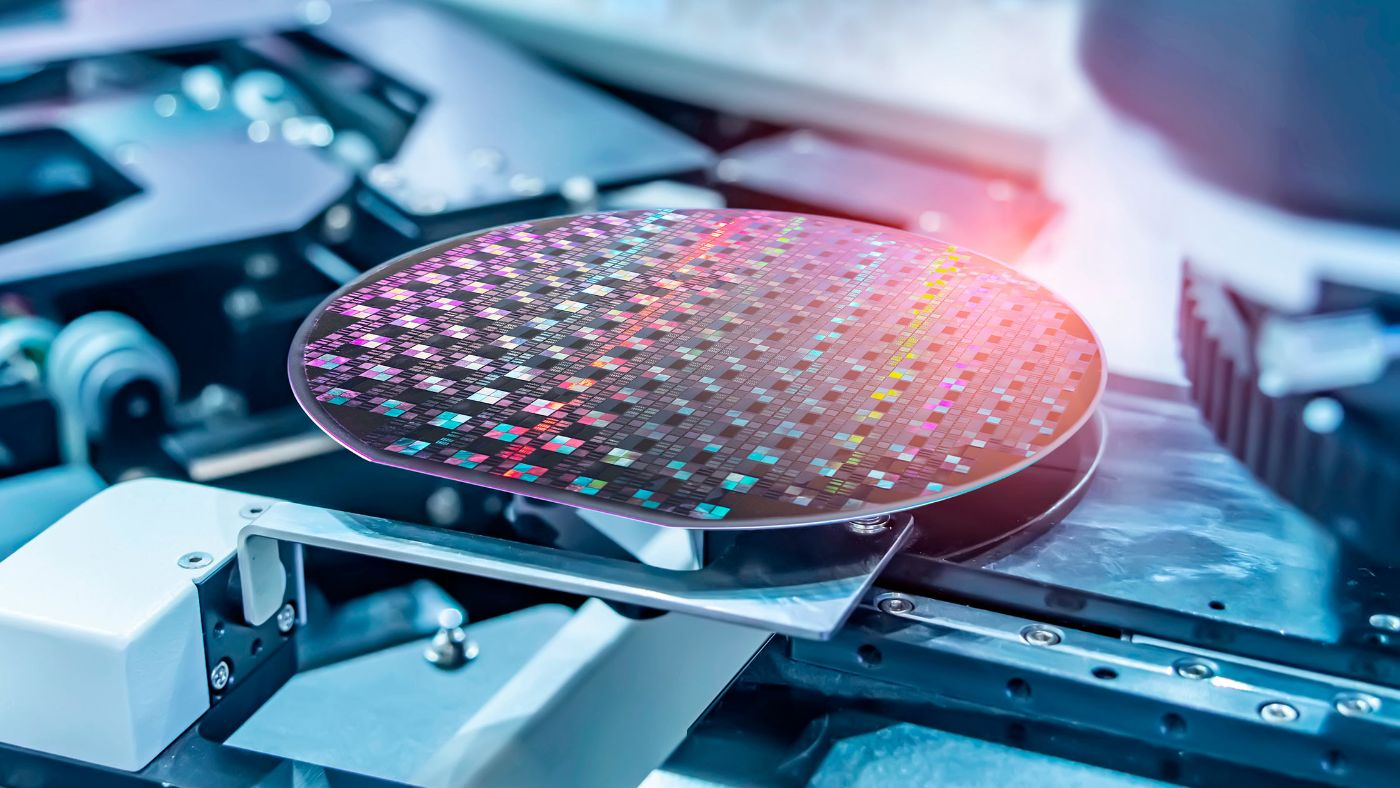
If you’re planning a smart Fab, the first thing you’ve got to do is ditch those old convection heaters. Seriously. When it comes to drying, we’ve moved over to high-efficiency infrared (IR) systems. Why? Because IR sends heat directly to the part without wasting energy warming up all the air in the room. If you want the kind of precision that actually works in a digitized setup, this is the way to go. Stop guessing, start measuring Here’s the thing: in a digital Fab, if you can’t see the data, you’re just guessing. We hook our IR systems straight into the PLC networks using closed-loop PID controllers. This lets us map out exactly how heat is hitting the wafer or substrate in real-time. It’s a lifesaver for energy audits because you can spot exactly where you’re leaking power. And unlike those giant hot air ovens that take forever to warm up, IR lamps are instant. On. Off. Just like that. You stop burning kilowatts while you wait for a machine to “ramp up.” Winning back your floor space Switching to IR also lets you shrink your footprint. We’re replacing those bulky, room-hogging heating chambers with targeted IR arrays. Suddenly, you have actual breathing room on your floor for more equipment. Plus, we’ve made the wiring side of things a lot smarter. We use modular power supplies that feed current draw and lamp age right to your dashboard. It’s a huge relief—you’ll know a lamp is about to go out before it kills a whole batch of product. The “Gotchas” (What to watch out for) Now, it’s not all magic. There are a few trade-offs. High-density IR arrays put out a massive amount of heat, which is great for speed, but it puts a lot of stress on your electrical setup. You’ll need to make sure your cabling and breakers can handle that initial surge of power when things kick in. Also, keep an eye on your cooling. If your fans aren’t sized right, the heat from the lamps can drift over to your sensitive sensors. That’ll mess up your data real quick. Just balance the heat load with a solid ventilation plan, and your sensors will stay accurate.