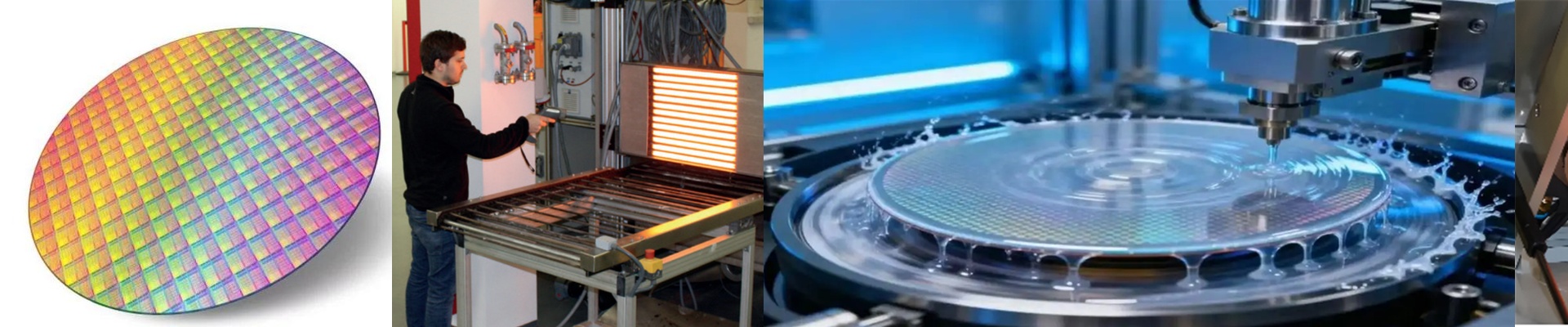

Out on the fab floor, you watch a wafer carrier come out of the cleaning bath, only to watch the drying step fight you. You know the drill—residual moisture, thermal stress, and airborne particles that punch straight through to yield and photoresist defects. Thermal uniformity isn’t something you get to gamble on.
What actually matters under the hood
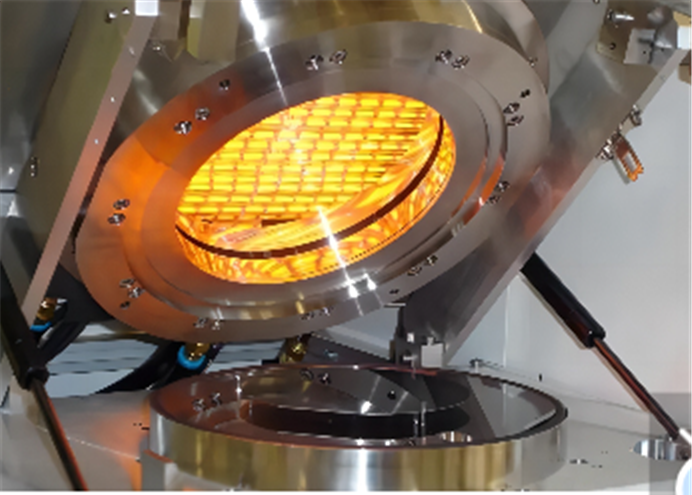
This wafer carrier cleaning dryer holds ±0.1°C thermal uniformity across the chamber, so you don’t get hot and cold spots that wreck photoresist stability during soft bake and hard bake. It’s built for cleanroom Class 1–100, with laminar airflow and HEPA filtration that keeps particle counts below 0.3 μm at 99.99% efficiency.
Zero particle generation isn’t a slogan—it’s a spec, and it’s verified with in-line metrology. Thermal profile repeatability stays within ±0.2% cycle-to-cycle, which is what keeps the process stable run after run, across thousands of wafers.
Why this matters in lithography and photoresist processing
Thermal budget is a hard boundary in lithography. This dryer keeps the photoresist layer intact, prevents edge bead, and removes TTOP variation that shows up when temperature gradients are left unchecked.
The payoff is fewer rework lots, tighter critical dimension control, and line-width performance you can bank on. Energy use drops thanks to a high-efficiency recirculation heater and smart duty cycling—without slowing down ramp-up.
What you need to plan for
Plan on a dedicated 208 V, 3-phase power feed, plus a cleanroom exhaust tie-in to hold negative pressure. Installation is one shift, but you’ll need to run full thermal mapping across the carrier footprint during qualification.
Set aside a 4-hour validation window to lock the process recipe and confirm uniformity across every slot.