Introduction
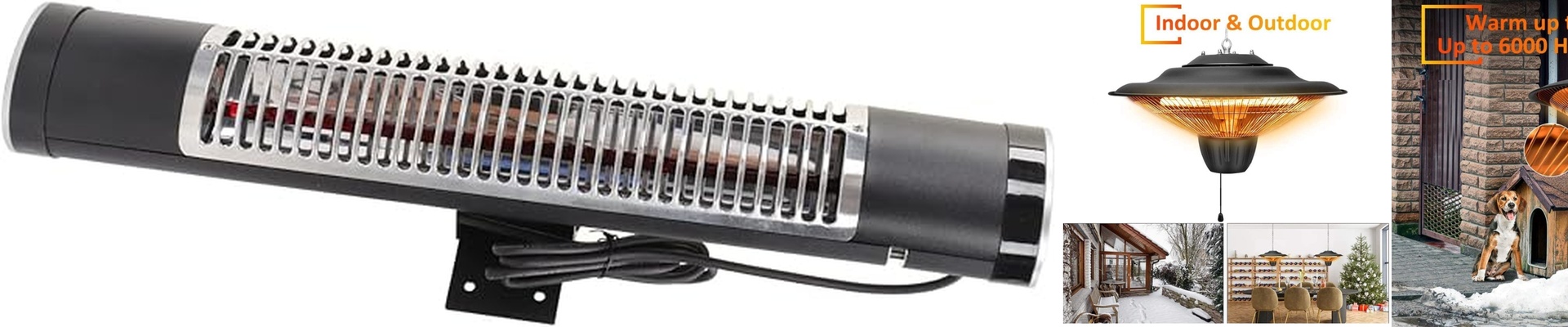
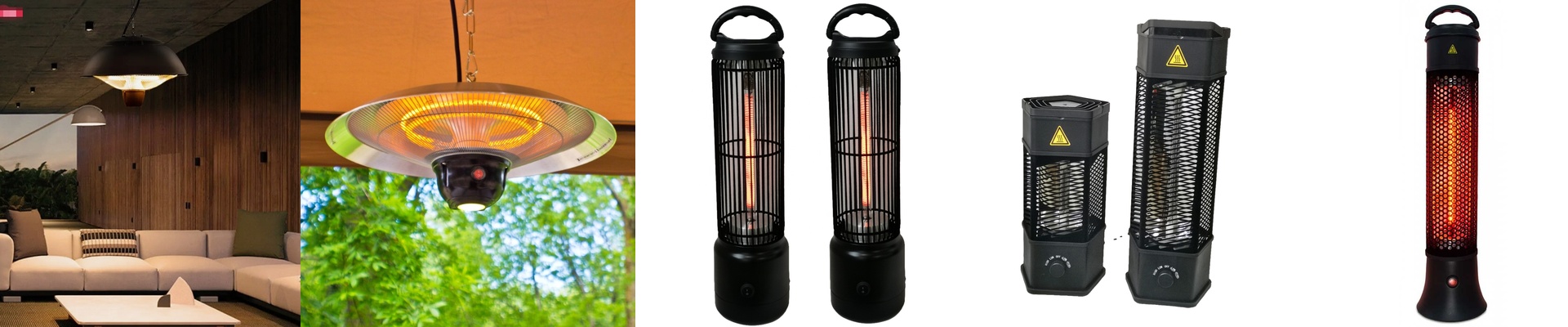
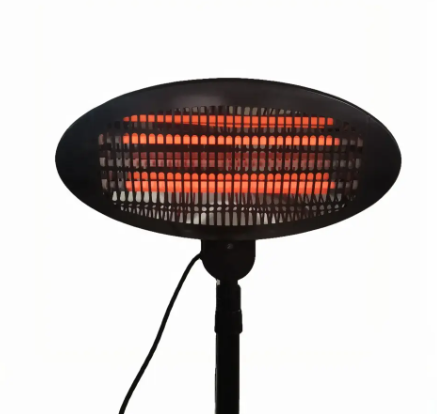
Ever try to heat a massive warehouse? It’s like trying to warm up the outdoors. You’re throwing money at the air, and nobody feels a thing. We built these low-light infrared heaters to fix that. They don’t waste energy heating empty space. Instead, they send warmth right where it’s needed—like a focused beam of comfort. The idea is simple: heat on demand. You use energy only when and where people are.
Power and Precision: How It Works
Here’s the thing: efficiency starts with the basics. We design these heaters to run on standard industrial voltages. That means they plug right into what you already have. No overhaul. No headache. We pack a lot of power into a small package. That creates intense heat right at the source. The beam carries that heat a long way without fading. It reaches deep into aisles, and it doesn’t rely on air moving around. It’s direct. It’s focused. And it just works.
Built Tough: The Materials and Design
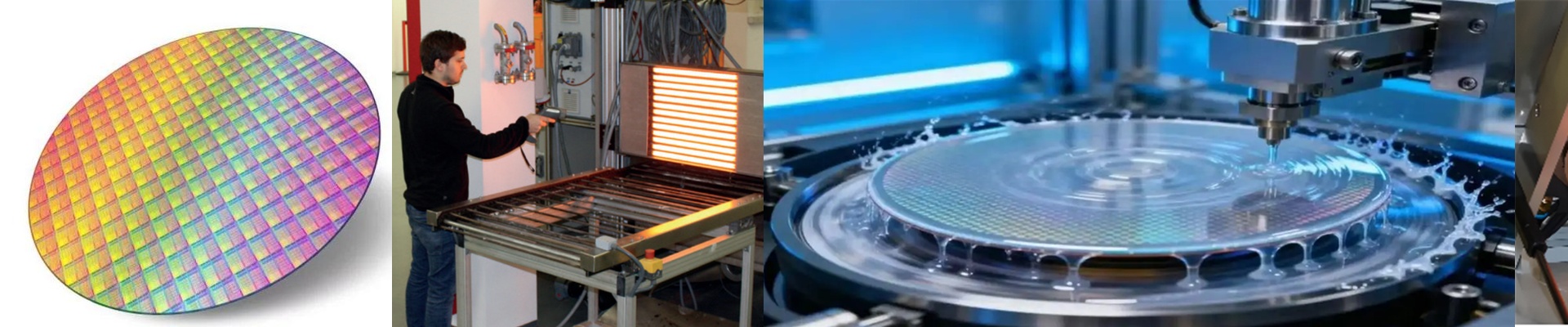
At the core is the quartz tube, often filled with halogen. It heats up fast and can handle sudden temperature swings without cracking. We keep the light low on purpose. A special coating and filament design shifts the output toward infrared. That means you get heat that warms objects, not glare that makes you squint. And the R7s base? It’s the standard for a reason. It locks in a solid, high-temp connection that’s easy to wire and built to take the heat, day after day.
Real-World Results: Warehouse Heating, Solved
Warehouses are tricky. You can’t afford to heat the whole volume. So we create warm zones where people actually work and walk. Step into a beam, and you feel the warmth immediately. That “person-to-heat” effect means you’re not paying to keep the whole building cozy when no one’s around. Plus, you avoid the standby energy loss you get with forced-air systems. Now, there is a trade-off: directional control. You do need to plan the layout so beams hit walkways and work areas. But once it’s set, the system is straightforward to specify, install, and keep running—while cutting energy waste by putting heat where it counts.