Why the Heat Hangs Around, Even After the Power Goes Out
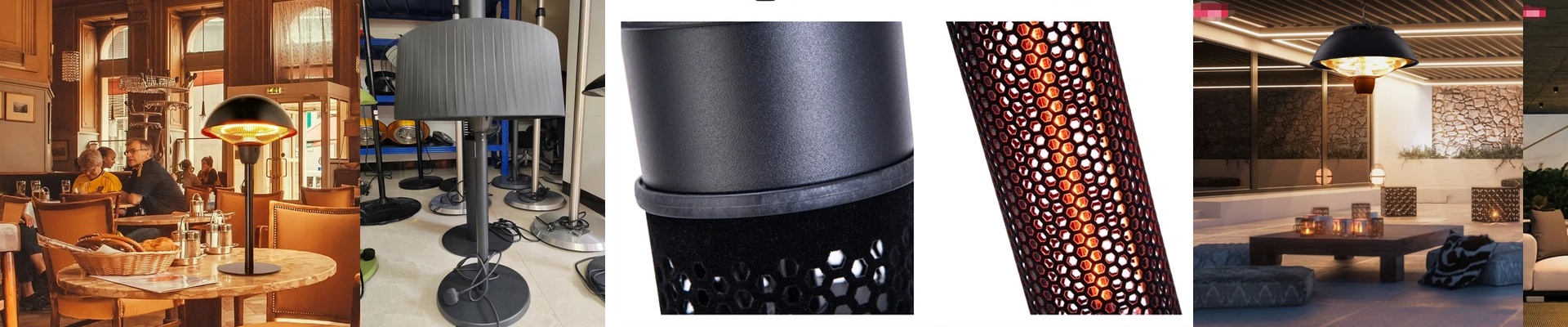
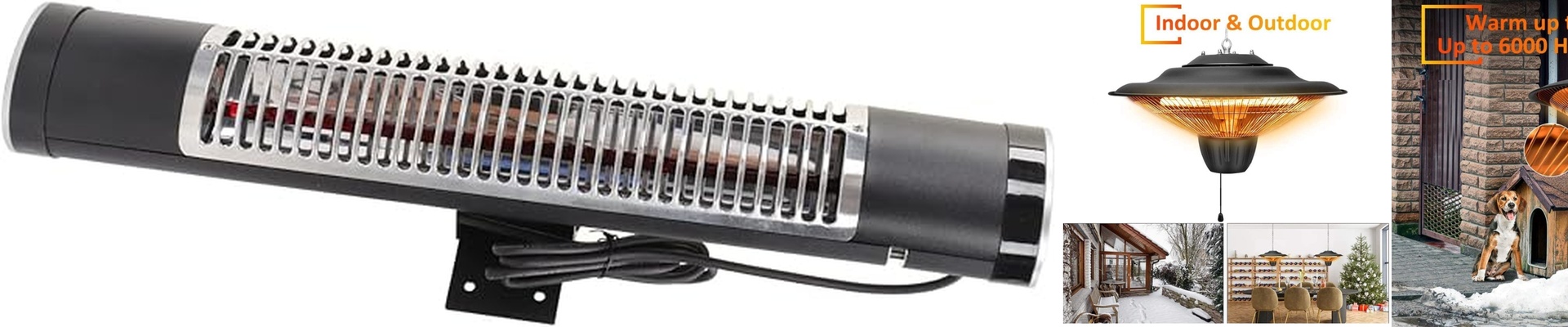
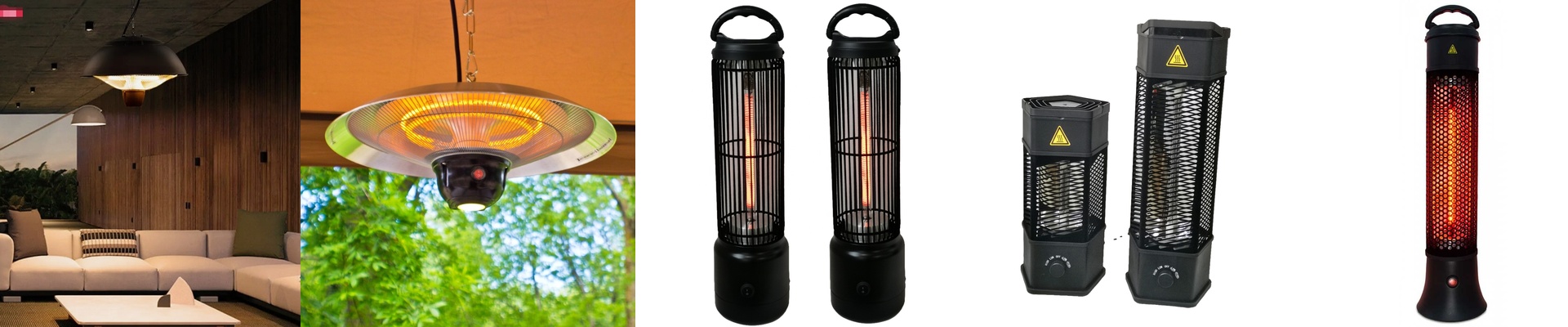
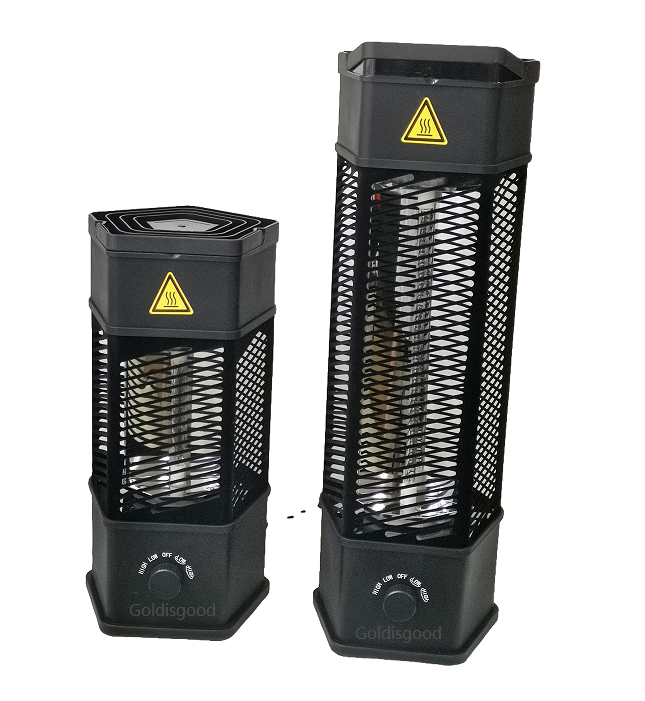
Here’s the thing about our commercial infrared heaters: they were built to solve one very specific, very annoying problem. They keep the warmth going, even after the unit itself shuts down. No magic trick. Just solid physics. The whole idea is built around our halogen heating technology. At the heart of it is a high-performance quartz tube, built to run at serious wattage. The result? A blast of focused heat that doesn’t just warm the air. It warms the whole space around it.
The Power Behind the Heat
So, how does it actually work? It all comes down to power density. We’re talking about units that run at a serious 2500W, typically on a 400V circuit. That power-to-voltage combo creates a thermal output that can hit several hundred degrees Celsius almost instantly. The size of the heating element matters, too. A 300mm tube, for example, concentrates all that energy into a specific spot. It’s not about gently warming a room. It’s about delivering targeted heat exactly where you need it most—the kind of heat industrial work demands.
The Secret is in the Core
The real magic for that leftover warmth is the halogen-filled quartz tube. Unlike a standard resistance coil, the halogen cycle inside keeps the filament stable and clean. That means the lamp lasts longer. But the quartz envelope itself is what gives you that “value-added warmth.” It heats up to extreme temperatures and then holds onto that thermal energy. So when the power cuts off, that hot quartz keeps radiating infrared heat. It warms the floors, the machinery, the objects all around it. That stored heat prevents the sudden, sharp drop in temperature you get with a regular convection heater.
Heat That Works the Way You Do
For engineers, this means a more stable thermal environment. The R7s connector makes swapping out the unit a breeze—a 10-minute job, not an hour-long hassle. It’s a direct, drop-in replacement for older systems, but with a much higher heat density. There is a trade-off, though. Because the heat is so concentrated, your equipment’s cooling and ventilation need to be properly set up to handle the localized temperature. You get a heater that works harder, but your system has to be ready for the heat it puts out.